Botanical Plants: A Designer Review for Business Merch
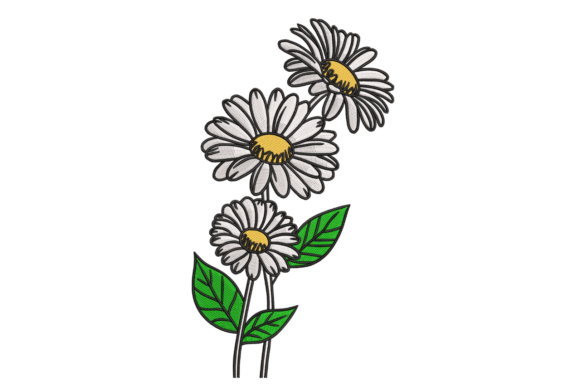
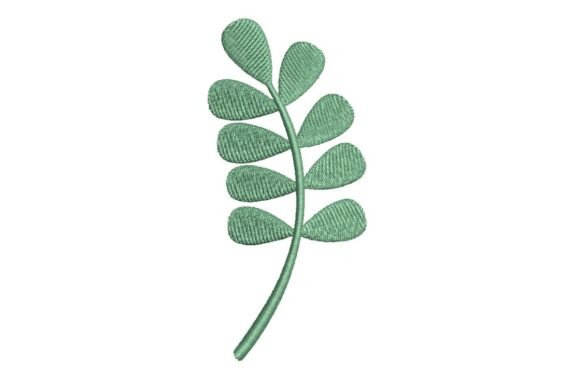
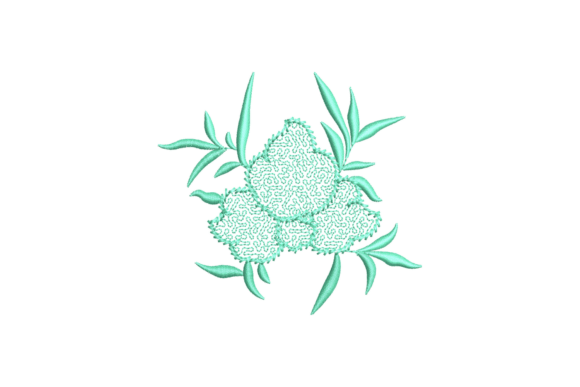
As an embroidery designer who regularly consults with small businesses on merchandise development, I approach every new machine embroidery design with a critical eye toward production viability and brand alignment. When evaluating the Botanical Plants design from the Freebies category, my first impression is one of organic elegance and approachable professionalism. The hand-drawn-style leaves and stems suggest a premium, artisanal quality that resonates deeply with modern consumers. For business owners, this visual personality signals sustainability, care, and attention to detail. However, translating delicate artwork into durable small business merch requires careful technical consideration. This review breaks down how Botanical Plants performs in real-world commercial applications, from staff uniforms to retail packaging.
Visual Personality and Brand Alignment
The aesthetic of Botanical Plants leans heavily into the rustic yet refined niche. It avoids the stiff, overly digitized look that often plagues stock embroidery file collections. Instead, the fluid lines mimic traditional illustration, making it an ideal asset for brands that want to emphasize natural ingredients, handmade processes, or eco-conscious values. For a local florist, organic bakery, or sustainable clothing boutique, this design reinforces brand identity without needing aggressive text. It feels friendly and established simultaneously. When used as a chest logo accent or sleeve detail, it softens the corporate feel of custom apparel, creating a uniform that staff actually want to wear and customers perceive as authentic. In the competitive Etsy marketplace, utilizing such distinct design assets can differentiate your listings from competitors using generic clip art.
Performance Across Commercial Applications
In my experience testing designs for commercial embroidery, versatility is key. Botanical Plants shows strong potential across multiple product categories, provided the application matches the design's density.
- Apron Embroidery: This is perhaps the strongest use case. Aprons typically offer a stable, flat surface perfect for the flowing stems described in the product details. The design adds a touch of sophistication to workwear for baristas, florists, and potters without overwhelming the garment.
- Tote Bag Design: Canvas totes are staples for eco-friendly projects. The botanical motif aligns perfectly with the reusable nature of the bag. Because tote fabric is generally sturdy, it supports the stitch structure well, making it a reliable choice for customer gifts or retail add-ons.
- Embroidered Patch Production: For businesses wanting removable branding or inventory flexibility, this design adapts well to patch making. The organic shapes allow for interesting border treatments. However, because the lines are delicate, you must ensure the satin borders are wide enough to prevent fraying during cutting.
- Cap Embroidery: Use caution here. While the design is beautiful, caps present curved surfaces and seam obstacles. Botanical Plants would work best as a side placement or back strap detail rather than a center front logo, where distortion risks are highest.
Technical Considerations for Production
While the description highlights suitability for clothing and pillowcases, professional digitizing standards require us to verify specific parameters before running bulk orders. The "delicate" nature of the hand-drawn style implies variable stitch density. Thin, sketchy lines can sometimes disappear on textured fabrics or cause thread breaks if not properly underlaid. When planning apron embroidery or uniform decoration, always check the minimum size recommendations. Reducing intricate botanical elements too much results in muddy details and lost definition.
Fabric texture plays a massive role in the success of this specific digital embroidery file. On smooth cotton or linen, the fine details will pop. On fleece, terry cloth, or heavy denim, the delicate stems may get swallowed by the pile. In these cases, you may need to adjust the design or use a topping stabilizer to keep the stitches visible. Furthermore, while the product mentions it is perfect for eco-friendly projects, remember that dark uniforms require high contrast thread colors to maintain visibility. A light green stem on a navy apron reads clearly; a dark green stem on black fabric vanishes. Always prioritize legibility over subtle color matching for branded merchandise.
Impact on Customer Trust and Product Value
High-quality embroidery signals permanence and investment. When a customer receives a handmade product adorned with a crisp, well-executed botanical motif, their perceived value of the item increases. Sloppy stitching or poor design choices erode trust instantly. Botanical Plants, when executed correctly, communicates that the business cares about aesthetics as much as function. This emotional connection is vital for boutiques and creative studios selling lifestyle products. Consistent use of this design across tags, packaging accents, and apparel creates a cohesive visual language. Even though this is sourced from Freebies, treating it with professional production standards elevates it to premium status. Customers recognize the difference between a hastily applied graphic and thoughtful finished product embellishment.
Essential Pre-Production Checklist for Business Owners
Before committing Botanical Plants to a production run for your business, follow this professional validation protocol. Skipping these steps is the most common cause of wasted materials and client dissatisfaction in commercial embroidery.
- Verify Licensing: Although listed under Freebies, confirm the specific commercial usage rights. Ensure you are legally cleared to use this embroidery file on items intended for sale or paid staff uniforms.
- Check Technical Specs: The product description does not specify exact stitch counts, formats, or hoop sizes. Open the file in your software to confirm it fits your machine’s capabilities and your intended hoop size.
- Test on Actual Substrate: Never assume a design works on all fabrics. Run a sew-out on the exact material you plan to use, whether it is canvas for a tote bag design or twill for caps. Evaluate coverage and registration.
- Assess Stabilizer Needs: Delicate designs often require specific stabilization strategies. Test different weights of cut-away versus tear-away stabilizer to prevent puckering around the fine leaf details.
- Create a Printable Mockup: Before stitching, generate a digital visualization to show clients or stakeholders. A printable mockup helps approve placement and scale without wasting thread.
- Evaluate Wash Fastness: If using this for staff uniforms or aprons that face frequent laundering, test wash durability. Fine decorative stitches may need reinforcement to survive industrial washing cycles.
- Compare Beside Other Assets: Ensure Botanical Plants visually harmonizes with your existing logos and fonts. Visual consistency builds stronger brand identity than standalone pretty designs.
Final Thoughts for Merch Creators
Botanical Plants represents a valuable opportunity for small businesses seeking to infuse natural beauty into their merchandise line. Its hand-drawn charm offers a distinct alternative to rigid corporate logos, fostering warmth and engagement. However, its delicate nature demands respect during the digitization and production phases. By validating technical specifications, testing on appropriate substrates, and ensuring proper licensing, you can transform this free asset into a cornerstone of your professional custom apparel or retail collection. Remember, in the world of branded merchandise, execution is just as important as the design itself. Treat this botanical motif with the same rigor as any paid commission, and it will serve your brand beautifully across aprons, totes, patches, and beyond.