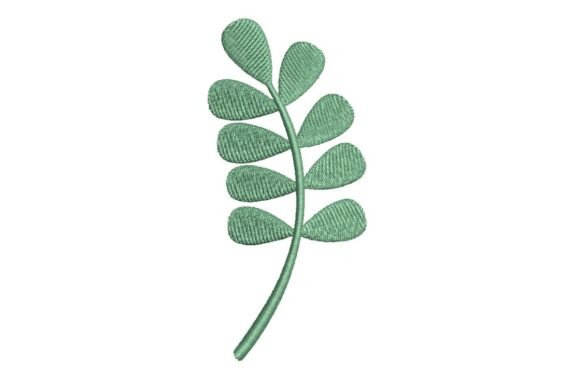
Textured Botanical Leaf Branch: A Business Review
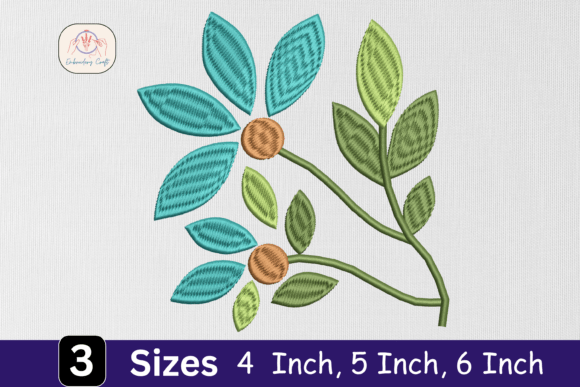
As an embroidery designer who specializes in commercial branding and merchandise production, I approach every new machine embroidery design with a critical eye. When evaluating the Textured Botanical Leaf Branch for small business applications, my primary concern is not just aesthetic beauty, but functional versatility. This motif falls within the Single Flowers Plants category, yet its stylized nature elevates it beyond simple floral decoration. For business owners, Etsy sellers, and apparel decorators, this design represents a strategic asset. It offers an organic, premium feel that can soften corporate branding or add sophistication to handmade goods. However, translating a digital file into a profitable finished product requires understanding how texture interacts with commerce.
Visual Personality and Brand Identity Impact
The first impression of the Textured Botanical Leaf Branch is one of refined elegance mixed with rustic accessibility. Unlike flat, cartoonish botanicals, the "textured" aspect implies depth and tactile interest. For a brand identity, this signals quality. In my experience reviewing design assets for clients, textured fills suggest a higher perceived value than standard satin stitches. This specific motif feels professional yet friendly, making it ideal for businesses that want to appear established but approachable.
For a boutique, florist, or bakery, this design communicates freshness and attention to detail. If you are creating small business merch, this leaf branch acts as a versatile secondary logo or accent mark. It lacks the aggressive boldness of industrial logos, which makes it perfect for lifestyle brands. When customers see this level of detail on custom apparel or packaging, it subconsciously reinforces trust. They associate the complexity of the stitch work with the care put into your actual products or services. It transforms a generic item into a handmade product experience, even if produced at scale.
Real-World Applications for Merchandise and Uniforms
In a real-case scenario, imagine a local café expanding into retail merchandise. The Textured Botanical Leaf Branch serves multiple functions across their product line. As an embroidered patch, it can be applied to denim jackets or canvas bags sold at the counter. Because the design features a branch structure rather than a solid block, it allows the base fabric color to integrate visually, reducing thread usage and keeping the patch lightweight.
For staff uniforms, this motif works exceptionally well as apron embroidery. Placed on the chest pocket or lower hem, it adds a uniform look without being sterile. I have found that organic shapes like this wear better on aprons than rigid geometric logos because they move with the fabric's drape. Similarly, for tote bag design, the verticality of a branch motif complements the tall shape of a canvas shopper. It draws the eye upward, creating a flattering visual line that enhances the bag’s silhouette.
This design also shows promise for cap embroidery, provided the sizing is adjusted correctly. On curved surfaces, a stylized leaf branch can wrap naturally around the front panel, avoiding the distortion that often plagues dense circular designs. For creative studios or pet brands, using this motif on bandanas or sleeve cuffs creates a cohesive visual language across disparate items. It bridges the gap between high-end retail and functional workwear.
Technical Considerations and Production Limitations
While the Textured Botanical Leaf Branch is aesthetically pleasing, commercial embroidery demands technical vigilance. Texture in digitizing often equates to complex stitch types, such as seed stitches, stippling, or layered runs. You must verify the stitch density before committing to bulk production. High-density textures can cause puckering on lightweight fabrics or create bulletproof patches on caps. Always check the specifications of the digital embroidery file to ensure the density matches your intended substrate.
Sizing is another critical factor. While this design may look stunning at 4x4 inches, scaling it down for a tiny collar tag or miniature patch requires caution. Intricate textures lose definition when reduced too aggressively. Before running production, test the minimum viable size where the leaves remain distinct and do not merge into a muddy blob. Conversely, enlarging the design for a back print on a jacket may reveal gaps in the texture fill if the original digitizing was optimized for smaller hoops. Always confirm the recommended hoop size and maximum enlargement percentage.
Fabric choice dictates success. On textured fabrics like linen or terry cloth, the design’s own texture might get lost. In these cases, you may need to use a topping or adjust the underlay. For dark uniforms, ensure the thread colors provide sufficient contrast. A dark green textured leaf on a navy apron will disappear unless outlined or highlighted with lighter variegated threads. Remember that frequent washing affects textured stitches differently than satin columns; run a wash test to ensure the design maintains its integrity over time.
Designer Notes for Successful Implementation
To maximize the ROI of the Textured Botanical Leaf Branch, follow these practical steps before stitching out client orders:
- Create a Printable Mockup: Before purchasing or stitching, place the design digitally on photos of your actual merchandise. This helps visualize scale and placement relative to seams and pockets.
- Test in Black and White: Print a line art version or stitch a single-color test. This reveals the underlying structure and spacing without the distraction of color blending. If the design reads well in monochrome, it is structurally sound.
- Verify Stabilizer Requirements: Textured designs often require different stabilization than standard logos. Consult the digitizer’s notes or test with cutaway versus tear-away to prevent registration shifts.
- Check Commercial Licensing: Never assume a file is cleared for business use. Confirm that the license covers selling finished embroidered goods, especially if you plan to mass-produce patches or apparel.
- Evaluate Thread Contrast: If using this as a brand accent, match the thread sheen to your brand vibe. Matte threads enhance the rustic/natural look, while rayon or polyester adds a modern, premium shine.
- Compare Beside Existing Assets: Place this leaf branch next to your primary logo. Ensure the visual weight balances. It should complement, not compete with, your main branding elements.
Elevating Product Value Through Strategic Design
Ultimately, the Textured Botanical Leaf Branch is more than a pretty plant graphic; it is a tool for differentiation. In the saturated market of Etsy sellers and local merchants, generic clip art fails to capture buyer engagement. A specialized, textured motif demonstrates intentionality. Whether used as a subtle sleeve detail on a barista’s shirt or a bold statement on a canvas tote, it adds narrative to your merchandise.
By treating this embroidery file as a component of a larger business strategy, you protect your investment. Proper testing, mindful application, and respect for technical limitations ensure that the Textured Botanical Leaf Branch performs as beautifully in production as it does on screen. For the small business owner, this balance of art and engineering is what turns a simple embroidered item into a lasting brand ambassador.