Heart Petal Flower Outline: A Craft Fair Review
As I prepare my booth inventory for the upcoming weekend craft fair, I am constantly evaluating which digital assets will translate best into physical sales. When reviewing the Heart Petal Flower Outline machine embroidery design, my immediate assessment focuses on its versatility and production efficiency. This design strikes a specific balance between whimsical charm and clean aesthetics that is essential for modern handmade markets. For fellow Etsy sellers, boutique makers, and creative entrepreneurs, understanding how this outline style performs in real-world applications is just as important as the digitizing quality itself.
First Impressions and Market Appeal
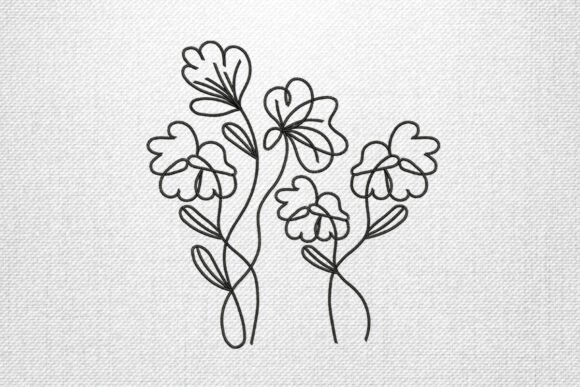
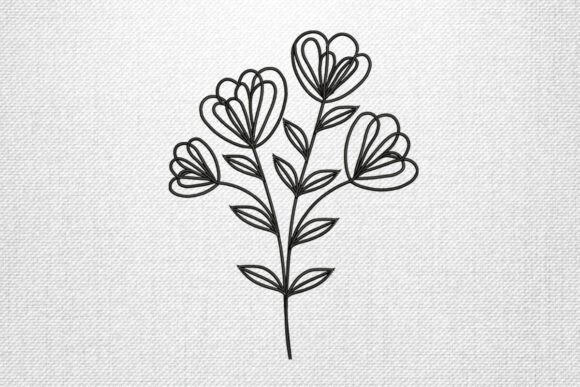
Upon loading the embroidery file into my software, the Heart Petal Flower Outline presents as a soft yet distinct motif. It does not feel overly dense or heavy, which immediately signals it as a strong candidate for lightweight goods. The aesthetic leans toward a modern farmhouse or cottagecore vibe, making it highly relevant for current buyer trends. Unlike complex, photorealistic florals that can sometimes look dated or too formal, this outline flower feels playful and approachable.
For a craft fair product lineup, readability from a distance is key. Because this is an outline design rather than a filled satin stitch motif, it relies entirely on line weight and contrast to capture customer attention. My first impression is that this design will excel as an accent element rather than a massive centerpiece. It possesses a delicate nature that suggests high-end handmade quality without requiring hours of machine run time. This efficiency is crucial when pricing items competitively at markets while maintaining healthy profit margins.
Best Performing Products for Booth Displays
In my experience setting up table displays, certain products naturally elevate outline designs. Based on the characteristics of the Heart Petal Flower Outline, I have identified several high-potential categories for commercial embroidery and small shop products.
- Tea Towel Embroidery: This is arguably the strongest application. Flour sack towels and linen tea towels provide a smooth fabric texture that allows outline stitches to remain crisp. The whimsical touch described in the product details aligns perfectly with kitchen linens, making them ideal impulse buys.
- Tote Bag Design: Canvas totes are a staple for handmade markets. Placing this design off-center or near the bottom hem creates a sophisticated, minimalist look. Because the design is not overly dense, it prevents the canvas from puckering, keeping the finished product looking professional.
- Apron Embroidery: For vendor aprons or retail stock, this design works beautifully as a pocket accent or chest logo substitute. It adds personality without overwhelming the garment's function.
- Fabric Pouches and Zipper Bags: Small cosmetic bags benefit from centered placement of this motif. The outline style ensures the bag remains flexible and doesn't develop a stiff, bulletproof patch effect that can occur with dense fill designs.
While the description mentions t-shirts and home decor, I would advise caution with caps. Curved surfaces can distort fine outline details unless the digitization specifically accounts for cap compensation. Always verify the hoop size and intended use before committing to headwear production.
Production Practicality and Batch Efficiency
When preparing for a market, time is money. The Heart Petal Flower Outline scores high marks for batch production potential. Outline flowers typically require fewer thread changes and less stabilizer buildup than their filled counterparts. This means I can hoop multiple tea towels or pouches and run them consecutively with minimal intervention.
From a photography standpoint, this design is a dream for creating printable mockups and Etsy listings. Outline designs photograph cleanly because they do not reflect light the way glossy rayon satin stitches do. This reduces glare in product photos and makes color matching easier for online buyers. However, visual appeal at a physical booth requires careful consideration of thread colors against fabric backgrounds. High contrast is non-negotiable for outline work; a white outline on cream fabric may look elegant in a digital proof but will disappear completely under outdoor tent lighting.
Critical Technical Considerations for Sellers
Despite its apparent simplicity, outline embroidery demands technical precision. As you integrate this design asset into your workflow, keep these practical notes in mind to ensure your finished product meets customer expectations.
Fabric Texture and Stabilizer Choice
The success of the Heart Petal Flower Outline depends heavily on your substrate. On textured towels or nubby linen, a standard tear-away stabilizer might not suffice. You may need a water-soluble topping to prevent the running stitches from sinking into the weave. If the stitches get lost in the fabric texture, the design loses its definition and perceived value. Always test on scrap fabric that matches your final production material exactly.
Sizing and Clarity Limits
Outline designs have a minimum viable size. Reducing this design too much to fit a tiny tag or sleeve cuff could result in stitching that looks messy or breaks easily. Check the original digitizer’s recommended size range within the embroidery file metadata. Never assume a design can be scaled down indefinitely just because it is an outline. Maintaining stitch integrity is vital for brand consistency and durability.
Thread Contrast and Color Planning
Because there is no fill to anchor the eye, thread color selection dictates the mood. For a rustic feel, variegated threads can add depth to the petals. For a modern, premium look, matte cotton threads often outperform shiny polyester on natural fibers. Plan your palette before the fair; having three distinct colorways of the same design allows you to cater to different customer preferences without increasing digitizing costs.
Maximizing Value in Handmade Markets
The true selling power of the Heart Petal Flower Outline lies in its ability to transform basic blanks into desirable gifts. Customers at craft fairs are often looking for items that feel personal and unique. An outline flower suggests a hand-drawn quality that resonates with buyers seeking authentic handmade products over mass-manufactured goods.
To maximize engagement, display this design across multiple product types simultaneously. Seeing the same cohesive motif on a tote bag, a tea towel, and a zipper pouch reinforces brand identity and encourages bundled purchases. It signals to the buyer that you have curated a collection rather than just stitched random files. This level of curation separates successful commercial embroidery businesses from hobbyists.
Final Pre-Production Checklist
Before listing this item or packing your booth bins, complete this verification process:
- Verify Licensing: Confirm that your purchase of this digital embroidery file includes rights for selling finished products. Never assume commercial use is granted.
- Stitch Out Test: Run a full test on your actual production fabric. Inspect registration points where petals meet stems. Gaps in outline connections are noticeable flaws.
- Hoop Stability: Ensure your hoop size provides adequate tension without distorting the grain of the fabric. Distortion ruins the geometry of floral outlines.
- Mockup Validation: Create at least one real-life photo mockup alongside your digital renderings. Real photos build trust and show true scale.
- Pricing Calculation: Factor in stabilizer, thread wear, and hooping time. Outline designs are fast, but setup time still counts.
The Heart Petal Flower Outline is a valuable addition to any embroidery business focused on accessible, charming goods. By respecting the technical requirements of outline stitching and strategically applying it to high-margin items like tea towels and tote bags, you can create a compelling product line that stands out in a crowded market. Remember that in the world of machine embroidery design, the simplest lines often carry the most weight when executed with intention and care.