Springtime Anemone Pair: A Designer’s Craft Fair Review
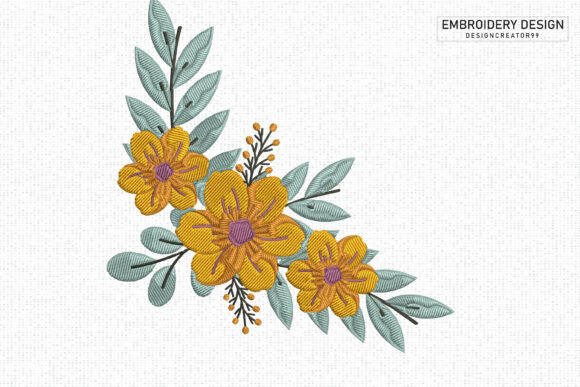
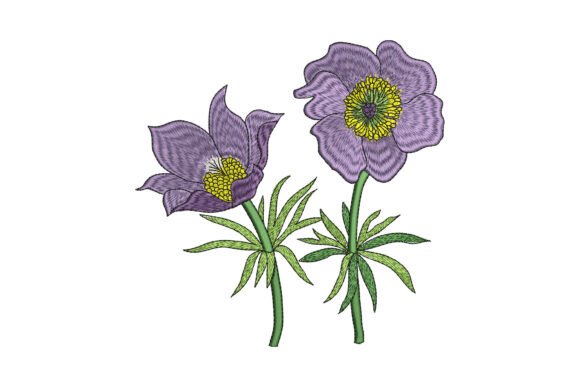
As I prepare my inventory for the upcoming weekend craft fair, my table display needs to tell a cohesive story while offering variety. When evaluating the Springtime Anemone Pair machine embroidery design, I am looking for more than just a pretty flower; I am assessing its commercial viability as a craft fair product. This design captures the tender beauty of two anemone flowers in full bloom, symbolizing renewal and harmony. From a professional designer's perspective, this specific motif strikes a delicate balance between botanical elegance and accessible charm. It does not scream for attention like neon novelty art, nor does it fade into generic background noise. Instead, it offers that "quiet connection" mentioned in the description, making it an ideal candidate for customers seeking thoughtful, nature-inspired handmade goods.
First Impressions and Market Positioning
The immediate visual impact of the Springtime Anemone Pair is undeniably soft yet sophisticated. In the crowded category of Single Flowers Plants, this design distinguishes itself through composition. The pairing of two blooms suggests relationship and balance, which elevates it above standard single-stem florals. For an Etsy seller or boutique maker, this translates directly to perceived value. The aesthetic leans toward modern cottagecore and refined farmhouse rather than rustic primitive or stark minimalism. It feels premium because of the implied movement in the "soft, flowing threads." When I look at this digital embroidery file, I see a design that promises texture and depth, essential qualities for standing out in a sea of flat, printed merchandise at a market booth.
Best Applications for Booth Inventory
Determining where to place this design is crucial for sales conversion. Based on the organic flow of the anemones, I have identified several high-potential applications for my table:
- Tote Bag Design: This is likely the strongest performer. The dual-flower composition centers beautifully on canvas totes. Customers often buy these as gifts for friends or mothers, and the symbolism of harmony supports that purchase intent.
- Tea Towel Embroidery: Kitchen linens are staple sellers. The Springtime Anemone Pair works exceptionally well here because the scale allows for negative space. Unlike dense landscapes, this floral pair leaves enough fabric visible to keep the towel functional and absorbent.
- Apron Embroidery: Placing this pair on the bib or lower pocket of a linen apron creates an instant heirloom feel. It appeals to the baker or gardener demographic frequenting spring markets.
- Fabric Pouches and Pillow Covers: For higher price-point items, the intricate details of the petals justify the cost. These serve as excellent "anchor" products that draw eyes to the rest of the table.
While caps are popular, I would approach them with caution. The curved surface can distort the delicate spacing between the two flowers unless the design has been specifically digitized for headwear. Similarly, while embroidered patches are trendy, ensure the border definition remains crisp if resizing down for patch production.
Production Practicality and Batch Efficiency
For a small shop product line, time is money. The Springtime Anemone Pair appears to be designed with stitch efficiency in mind, though verification is required. The description notes "hand-stitched" aesthetics, which usually implies satin stitches and long-and-short shading rather than heavy fill areas. This is excellent for production speed. Designs with excessive jump stitches or overly dense underlay slow down machines and increase thread breaks during batch runs. If this embroidery file maintains open, airy stitching, I can produce multiple tea towels or pouches in a single morning session without compromising quality.
Photographing this design for online listings requires attention to lighting. Because anemones often feature dark centers against lighter petals, natural light is necessary to capture the contrast. A printable mockup is useful for digital sales, but for physical craft fairs, having at least one stitched sample on the actual fabric you intend to sell is non-negotiable. Customers need to see how the thread colors interact with the fabric texture in real life.
Critical Technical Considerations
Even the most beautiful design can fail if technical parameters are ignored. Before loading this design onto my machine for commercial embroidery, I must address several variables:
Fabric Texture and Stabilizer Choice
Anemones rely on petal definition. If stitching on textured towels or waffle-weave fabrics, a water-soluble topping is mandatory to prevent stitches from sinking. Without it, the "tender beauty" gets lost in the weave. For tote bags and canvas, a medium-weight cutaway stabilizer provides the necessary support to prevent puckering around the floral elements. Always test the design on scrap fabric first; what works on quilting cotton may tunnel on linen.
Sizing and Detail Integrity
While the Springtime Anemone Pair is versatile, resizing carries risks. Reducing the design too much can cause the inner petal details to merge, creating muddy blobs of thread. Conversely, enlarging it significantly might reveal gaps in the satin stitches if the original digitizing wasn't intended for large formats. Check the recommended hoop size and minimum dimensions provided by the digitizer. Never guess on sizing for finished products destined for sale.
Thread Contrast and Color Matching
The emotional resonance of this design depends heavily on color accuracy. Anemones typically feature striking contrasts—often white or pink petals with deep purple or black centers. Using low-contrast thread colors will flatten the image. Review your thread palette against the design chart. Sometimes, using a variegated thread for the petals adds that sought-after "hand-stitched" dimension that solid colors cannot achieve. However, ensure the variegation doesn't clash with the center details.
Enhancing Brand Value and Customer Engagement
Incorporating the Springtime Anemone Pair into my collection does more than add a new SKU; it strengthens brand consistency. By selecting designs that share a similar stitch style and mood, my booth looks curated rather than chaotic. This particular design invites conversation. Its symbolic meaning of renewal makes it a natural talking point for customers browsing spring collections. I can tag products with small cards explaining the anemone’s significance, adding a layer of storytelling that mass-produced items lack.
Furthermore, this design serves as a bridge between seasons. It is fresh enough for spring markets but classic enough to remain relevant into early summer. For digital sellers offering the embroidery file, providing clear usage guidelines and color suggestions increases customer satisfaction and reduces support inquiries. For those selling physical goods, the versatility of this pair means it can anchor various product categories without feeling repetitive.
Final Pre-Production Checklist
Before committing to a full production run for the weekend market, I adhere to a strict validation process:
- Verify Licensing: Confirm that the commercial embroidery license permits the sale of finished products. Digital files and physical goods often have different terms.
- Stitch Out Test: Run a complete test on the exact fabric intended for sale. Inspect registration, density, and trim jumps.
- Mockup Creation: Photograph the test stitch-out in natural light for social media teasers and listing photos.
- Inventory Planning: Calculate stitch time versus profit margin. Ensure the Springtime Anemone Pair yields a sustainable return for the labor involved.
- Display Strategy: Plan how to showcase the texture. Flat lays hide dimension; angled shots or draped displays highlight the stitch quality.
The Springtime Anemone Pair represents exactly what today’s handmade market craves: meaningful, beautiful, and technically sound craftsmanship. Whether applied to a humble tea towel or a premium linen tote, its success lies in respecting both the artistry of the design and the practical realities of production. By approaching this embroidery file with a critical, business-minded eye, we transform digital assets into tangible products that resonate with buyers and sustain our creative enterprises. Always remember to check specific file details regarding stitch count and format compatibility before beginning, as these specifications vary by digitizer and directly influence your production workflow.