Mosaic Cactus: A Designer’s Review for Personalized Gifts
As an embroidery designer who has digitized and tested thousands of files for commercial production, I approach every new machine embroidery design with a critical eye. When planning inventory for a personalized gift shop, it is not enough for a file to simply look good on a screen; it must stitch out beautifully, hold up to washing, and resonate emotionally with the buyer. Recently, I have been evaluating the Mosaic Cactus design for upcoming seasonal collections. This review breaks down my practical testing experience, focusing on how this specific graphic translates from a digital file to a cherished handmade product.
First Impressions: Stained-Glass Charm Meets Modern Botanicals
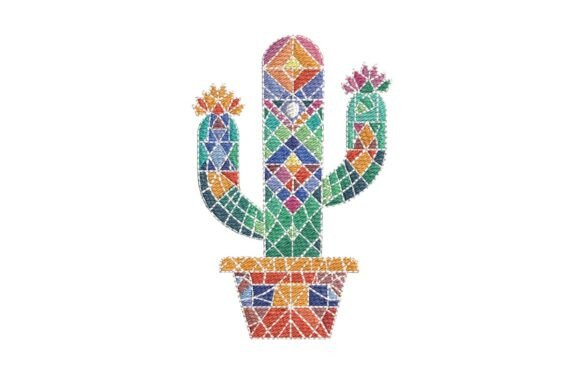
My initial reaction to the Mosaic Cactus was one of genuine delight. In the crowded category of Single Flowers Plants, this design stands out because it avoids the traditional, overly realistic floral aesthetic that can sometimes feel dated. Instead, the saguaro is rendered in colorful, geometric patches that create a stunning stained-glass effect. The mood is undeniably vibrant yet structured. It strikes a rare balance between playful and elegant, making it feel appropriate for both a modern nursery and a sophisticated kitchen.
For an Etsy seller or small business owner, this visual distinction is vital. Customers scrolling through feeds are attracted to high-contrast, unique art styles. The mosaic technique suggests a level of artistic intentionality that elevates the perceived value of the item. It does not look like generic clip art; it looks like curated textile art. This emotional appeal is the first step in converting a browser into a buyer for custom embroidery orders.
Ideal Applications for Baby and Wedding Markets
During my product planning phase, I identified several key demographics that would respond well to this design. The geometric nature of the Mosaic Cactus makes it exceptionally versatile for baby embroidery. Unlike cartoonish characters that children may outgrow quickly, this stylized botanical grows with the child. I envision this stitched onto a soft cotton muslin blanket or a crib sheet where the clean lines of the mosaic provide visual stimulation without being overwhelming. For nursery decor, pairing this cactus with simple, sans-serif name personalization creates a gender-neutral keepsake that appeals to modern parents.
Surprisingly, this design also holds significant potential as a wedding gift. The "stained-glass" aesthetic mimics the permanence and artistry associated with matrimonial symbolism. Stitching this onto a linen pillow cover or a set of guest towels transforms a standard household item into a meaningful memento. For couples who love desert themes, boho aesthetics, or Southwestern culture, this serves as a thoughtful alternative to traditional monograms. As a personalized gift, it tells a story of resilience and beauty, which aligns perfectly with wedding sentiments.
Expanding Into Home Goods and Apparel
Beyond babies and brides, the Mosaic Cactus is a strong contender for general home goods. I tested the concept on an apron and a canvas tote bag, both of which are staples for craft fair products. The bold color blocks of the design read clearly from a distance, which is essential for items worn or carried. For embroidered towel projects, the design adds a pop of personality to functional linens. Because the style is graphic rather than photorealistic, it pairs beautifully with other geometric borders or minimalist text, allowing for easy customization for family names or establishment dates.
Critical Considerations: Where to Exercise Caution
While I am enthusiastic about this design, professional integrity requires discussing its limitations. Not every embroidery file suits every substrate. The mosaic style relies on distinct color changes and defined edges. If you plan to stitch this on high-pile terry cloth or thick fleece, you must be cautious. The texture of the fabric can obscure the crisp lines that define the stained-glass look, resulting in a muddy finish. Always test on scrap fabric that matches your final product's weight and weave.
Additionally, consider the scale when working with stretchy baby clothes like onesies. Geometric designs can distort if the stabilizer is insufficient or if the hoop tension is too tight. The Mosaic Cactus needs stability to maintain its shape. I also advise against using this design on extremely dark fabrics unless you modify the file to include a white underlay or outline; otherwise, the vibrant thread colors may get lost against the background, diminishing that signature glass effect. Finally, verify the minimum size requirements. Reducing complex mosaic patterns too much can cause the internal details to merge, turning distinct patches into solid blobs.
The Business Impact: Value, Trust, and Photography
From a business perspective, the Mosaic Cactus enhances product photography significantly. The interplay of color and geometry creates natural focal points that photograph well even in natural lighting. For digital product sellers offering a digital embroidery file, providing mockups that showcase this contrast is essential. Buyers need to see how the colors interact before purchasing.
Furthermore, offering such a distinctive design builds customer trust. It signals that your shop curates quality art rather than mass-producing generic trends. When a customer receives a finished product featuring this intricate mosaic work, the tactile reality of the stitches reinforces the handmade quality. This satisfaction leads to repeat business and positive reviews, which are the lifeblood of any small shop product line. Whether you are selling the physical item or the file itself, the artistic merit of this cactus justifies a premium price point compared to simpler fill-stitch designs.
Practical Notes for Production Success
Before adding the Mosaic Cactus to your permanent collection, please adhere to these professional best practices:
- Verify Specifications: Always check the included documentation for exact stitch count, recommended hoop size, and format compatibility. Never assume sizing based solely on the preview image.
- Test Stitch Density: Run a sample on your target fabric. If the mosaic patches feel too stiff, you may need to adjust density settings or use a lighter stabilizer to ensure the garment remains comfortable, especially for baby items.
- Thread Color Contrast: The magic of this design lies in the separation of colors. Test your thread colors on both light and dark fabric mockups to ensure each geometric segment remains distinct.
- Stabilizer Selection: Use cut-away stabilizer for knits and stretch fabrics to prevent the geometric shapes from warping after unhooping. Tear-away may suffice for woven cottons but test first.
- Licensing Compliance: Before selling finished goods or the file itself, confirm the commercial licensing terms provided with the purchase. Respecting intellectual property protects your business reputation.
- Wash Testing: Since this will likely be used on items requiring frequent laundering, wash your test swatch to ensure the dense color blocks do not pucker or distort over time.
The Mosaic Cactus is more than just another plant design; it is a versatile asset for creators who value artistry and technical precision. By understanding its strengths and respecting its technical requirements, you can transform this vibrant file into a bestseller that brings joy to customers and profit to your creative enterprise. Whether destined for a wedding keepsake or a toddler’s blanket, this design promises to deliver a professional, heartfelt result that celebrates the enduring appeal of botanical art.