Ivory Bloom Ladder: Craft Fair Review
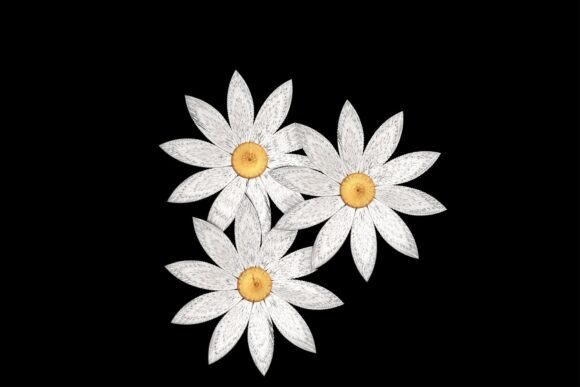
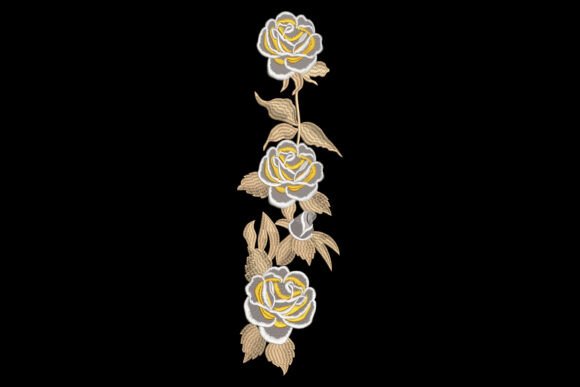
As an experienced embroidery designer preparing for a weekend craft fair, I approach every new machine embroidery design with a critical eye. It is not enough for a file to be digitized correctly; it must translate into a craft fair product that stops customers in their tracks and justifies a premium price point. After reviewing the Ivory Bloom Ladder, my immediate assessment is that this design falls squarely into the elegant and soft aesthetic category. It does not scream for attention with neon colors or bold novelty themes. Instead, it whispers sophistication. The description highlights delicate ivory flowers arranged along a graceful, ladder-like vine, which suggests a vertical flow perfect for specific applications. For boutique makers and Etsy sellers, this design represents a shift toward refined, nature-inspired decor rather than generic clip art.
First Impressions and Booth Appeal
When setting up a table display, visual hierarchy is everything. The Ivory Bloom Ladder possesses a distinct verticality due to its ladder-like vine structure. This makes it immediately distinguishable from the standard circular wreaths or horizontal text designs that saturate the handmade market. Upon first glance, the design feels premium and romantic. The use of soft tones implies that this will photograph beautifully for online listings but requires careful lighting at a physical booth to ensure the ivory threads do not wash out against white fabrics.
For creative entrepreneurs, the "ladder" motif offers a unique selling proposition. It suggests growth, connection, and organic movement. In a sea of farmhouse buffalo checks and rustic burlap, this design appeals to the customer looking for modern cottagecore or minimalist elegance. It is versatile enough to bridge the gap between traditional floral bouquets and contemporary line art, making it a strong contender for shops targeting brides, garden enthusiasts, and home decorators.
Best Product Applications for Market Sales
Not every embroidery file works on every blank. Based on the vertical orientation and intricate details of Ivory Bloom Ladder, I have identified specific products where this design will perform best as a handmade product:
- Tea Towel Embroidery: This is likely the strongest application. The vertical vine mimics the natural hang of a towel. Placed off-center or running down the side hem, it creates a high-end kitchen accessory that looks intentional rather than stamped on.
- Tote Bag Design: Canvas market bags benefit greatly from vertical designs. The Ivory Bloom Ladder can be centered on a natural canvas tote to create a reusable shopping bag that doubles as a fashion statement. The contrast of ivory thread on unbleached canvas is timeless.
- Apron Embroidery: Specifically, full-length aprons. The ladder vine can be positioned vertically along the bib or the lower skirt section, elongating the silhouette. This works exceptionally well for linen or cotton twill aprons aimed at florists and bakers.
- Pillow Covers: For lumbar pillows, the horizontal rotation of this vertical design could work, but it shines brightest on square pillow covers where the vine can climb upward, drawing the eye across the room.
- Fabric Pouches and Zipper Bags: As a smaller accent, the top portion of the bloom ladder serves as a beautiful focal point for cosmetic bags or pencil cases, adding value to small shop products without requiring massive hoop sizes.
Production Practicalities and Stitch Integrity
From a production standpoint, batch manufacturing for a craft fair requires efficiency. The Ivory Bloom Ladder appears to be a design that rewards preparation. Because it features "finely stitched" elements and "intricate details," stitch density management is paramount. If you are planning to run fifty tea towels, you cannot afford registration errors caused by poor stabilization.
The vertical nature of the design means your fabric grain must be perfectly straight. Any skewing during hooping will be glaringly obvious because the human eye uses the ladder rungs as a level reference. I recommend using a sticky-back stabilizer or a heavy-weight tear-away for woven fabrics to prevent shifting. For commercial embroidery purposes, test the design on scrap fabric identical to your final blank. Check if the ivory thread sinks into textured towels; you may need a topping to keep those delicate flowers crisp.
Photographing this design for a printable mockup or Etsy listing requires attention to white balance. Ivory thread can easily look yellow or gray depending on your lighting. Natural daylight is essential to capture the true softness of the tones. When creating digital assets, ensure your mockups reflect the actual scale of the design so customers understand the delicacy of the work.
Critical Use Notes for Makers
While Ivory Bloom Ladder is stunning, it comes with specific constraints that every Etsy seller and boutique maker must respect to avoid wasted materials and returns:
- Avoid Dark Fabrics Without Testing: Ivory thread on black or navy fabric can sometimes look stark or ghostly unless there is significant shading or outline definition. Always stitch out a sample on dark fabric to ensure the contrast reads as elegant, not unfinished.
- Curved Surfaces Are Risky: While caps are popular craft fair items, this specific ladder-vine structure may distort on the curved surface of a hat. Unless the design has been specifically digitized for caps, stick to flat surfaces like totes, towels, and aprons.
- Sizing Limitations: Intricate details and small lettering (if included) often suffer when resized below 60% of the original size. Do not attempt to shrink this design down to fit a tiny patch area unless you have verified clarity. The "delicate" nature relies on sufficient space between stitches.
- Texture Sensitivity: On highly textured fabrics like terry cloth or waffle weave, fine satin stitches can get lost. Use a water-soluble topping to ensure the ivory blooms sit on top of the texture rather than burying themselves within it.
Designer Checklist Before Selling
Before listing Ivory Bloom Ladder as a finished product or offering it as a digital embroidery file, complete this professional checklist to ensure brand consistency and quality:
- Verify Commercial Licensing: Confirm whether your purchase includes rights for selling finished goods or just personal use. Never assume commercial rights exist without documentation.
- Check Hoop Size Compatibility: Ensure the design fits your machine’s maximum stitching area without splitting. Vertical designs often require taller hoops; measure your usable field before committing to a production run.
- Thread Color Validation: "Ivory" varies wildly between brands. Compare your thread inventory against the designer's recommended palette. A mismatched ivory can clash with cream-colored blanks.
- Create Real Mockups: Digital renderings are useful, but a photo of the actual stitched design sells better. Customers want to see how the thread interacts with the fabric texture.
- Inspect Stitch Density: Run a test stitch-out and feel the back of the design. If it feels bulletproof or stiff, consider reducing density or changing stabilizers to maintain the drape of the garment or towel.
Final Verdict for Handmade Businesses
Ivory Bloom Ladder is more than just another entry in the Bouquets Bunches category; it is a strategic asset for makers focusing on elevated, giftable goods. Its strength lies in its vertical elegance and versatility across home textiles and accessories. By respecting the technical requirements of fine stitching and choosing the right blanks, this design can become a signature piece in your craft fair lineup. Whether you are stocking an Etsy shop or filling a weekend booth, this design offers the kind of quiet luxury that builds loyal customers who appreciate true craftsmanship over fast fashion trends. Treat it with care in production, and it will undoubtedly elevate the perceived value of your entire collection.