Bright Flowers: A Designer’s Review for Craft Fairs
As an experienced embroidery designer preparing for a busy weekend craft fair, I approach every new machine embroidery design with a critical eye. It is not enough for a file to simply stitch out cleanly on screen; it must translate into a profitable craft fair product that catches the attention of shoppers walking past a crowded booth. When evaluating the "Bright Flowers" design from the Bouquets Bunches category, my primary focus is on its commercial viability and production efficiency. This review breaks down how this specific embroidery file performs in real-world scenarios, from the initial digital assessment to the final finished product displayed on a market table.
First Impressions and Market Appeal
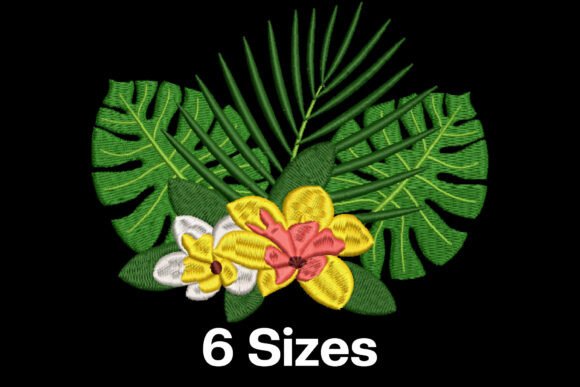
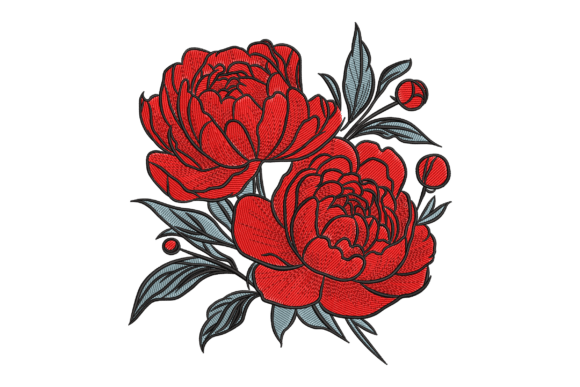
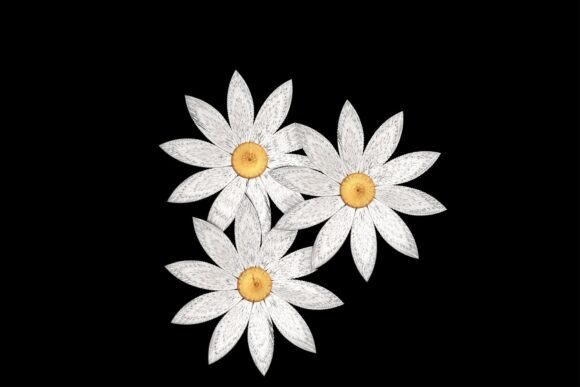
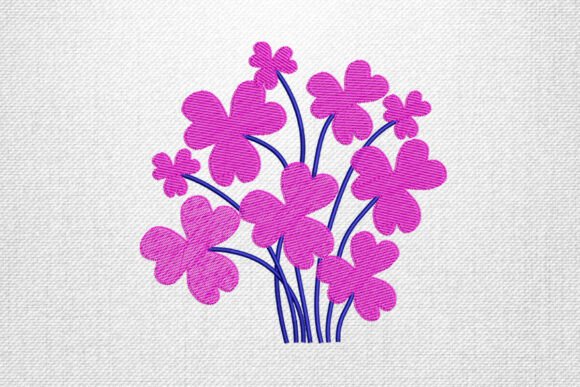
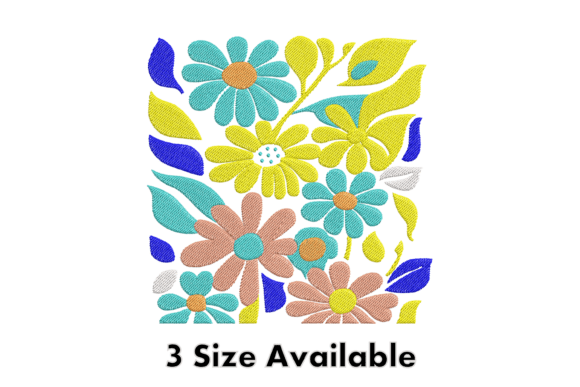
The title "Bright Flowers" immediately suggests a bold, cheerful aesthetic that aligns perfectly with current handmade market trends. In the context of a craft fair booth, visual impact is everything. Shoppers often make split-second decisions based on color and recognizable motifs. This design feels inherently whimsical yet versatile, striking a balance between modern farmhouse charm and classic botanical elegance. Unlike overly intricate Victorian florals that can look dated or muddy from a distance, Bright Flowers appears optimized for high-contrast visibility.
For an Etsy seller or boutique maker, this mood is essential. The description notes it brings personality to items like t-shirts and home decor, which signals a playful but polished vibe. From a production standpoint, this suggests the design likely utilizes open fills or satin stitches rather than heavy tatami fills, making it ideal for lightweight garments and textured linens. As a small shop product, it avoids the stiffness associated with dense floral patterns, ensuring the final item remains soft and wearable—a key selling point when customers want to touch and feel the quality before purchasing.
Best-Selling Product Applications
Determining where to apply Bright Flowers is just as important as the stitching itself. Based on the design's character and typical performance of bouquet-style embroidery, here is how I evaluate its potential across various inventory items:
- Tote Bag Design: This is arguably the strongest application. Canvas tote bags provide a stable, flat surface that allows bright thread colors to pop. The whimsical nature of the flowers turns a utilitarian bag into a fashion statement. For batch production, totes are forgiving regarding hooping and stabilizer, making them a high-margin item for fairs.
- Tea Towel Embroidery: Flour sack towels and waffle-weave linens are craft fair staples. Bright Flowers works exceptionally well here because the design’s open structure prevents the towel from becoming stiff or puckering. Positioning the bouquet in the bottom corner or centered creates a premium handmade product that looks intentional rather than generic.
- Apron Embroidery: Kitchen and garden aprons benefit from the vertical orientation often found in bouquet designs. Placing this design on the bib or lower pocket area adds a custom, artisanal touch that justifies a higher price point compared to mass-produced alternatives.
- Embroidered Patch: If the design has a clean border or can be easily adapted with a merrowed edge, it serves as an excellent add-on sale. Patches allow customers to buy into the brand at a lower entry price and offer versatility for those who want to customize their own denim jackets or caps later.
- Pillow Covers and Home Decor: For higher-ticket items, this design adds significant perceived value. On neutral linen or cotton pillowcases, bright floral threads create a focal point that photographs beautifully for online listings and draws eyes at the back of a booth display.
Production Practicality and Batch Efficiency
When preparing for a market, time is money. I evaluate Bright Flowers not just on beauty, but on repeatability. A successful commercial embroidery workflow requires designs that run consistently without constant baby-sitting. This design appears suitable for multi-hoop batching, especially on flat goods like tea towels and pouches. The "fun and whimsical" descriptor implies organic shapes, which are generally more forgiving of minor registration shifts than rigid geometric patterns.
Photography is another crucial factor for digital sellers and hybrid businesses. Bright Flowers offers excellent contrast against white, cream, or pastel backgrounds, making it easy to create compelling printable mockups and listing photos. Natural lighting enhances the vibrancy of the thread colors, reducing the need for extensive post-production editing. For Etsy sellers, clear, bright imagery directly correlates to click-through rates, and this design’s inherent cheerfulness supports that visual strategy.
Critical Technical Considerations and Careful Use Notes
Despite its versatility, no digital embroidery file is without limitations. As a professional, I must highlight areas requiring caution to ensure customer satisfaction and reduce waste:
- Fabric Texture Compatibility: While great for smooth cottons, verify the stitch length if applying to highly textured terry cloth or fleece. Small details in floral petals may get lost in the pile. Always use a water-soluble topping to keep stitches crisp on textured surfaces.
- Stitch Density Management: Check the center of the flower blooms. If the design uses overlapping satin stitches for depth, ensure the density isn't too high for lightweight t-shirts. Excessive density causes fabric distortion and needle holes. Test on scrap fabric of the same weight as your final product.
- Curved Surfaces: If adapting this for caps, be aware that bouquet designs can distort on curved brims. You may need to resize or rotate elements to maintain proportion. Caps require specialized hooping and potentially different stabilizers to prevent flagging.
- Small Lettering and Details: If the design includes text or tiny stamens, avoid scaling down below 70% of original size. Tiny details are the first to fail during resizing. Maintain clarity by keeping minimum stitch lengths above 1mm for small accents.
- Dark Fabric Contrast: Bright threads on dark fabric can sometimes look harsh or cause shadowing if the underlay isn't sufficient. Ensure adequate white underlay is present to block fabric show-through and make the colors truly sing.
Designer Checklist Before Production
Before loading Bright Flowers into your machine for a full production run, complete this professional checklist to protect your investment and brand reputation:
- Verify Hoop Size: Confirm the design dimensions fit your available hoops with adequate margin for clamping. Never assume a 4x4 design fits all 4x4 hoops; check actual measurements.
- Test Stitch-Out: Always run a test on scrap material identical to your production fabric. Inspect tension, registration, and drape. Adjust top tension if bobbin thread shows on top of satin stitches.
- Review Stabilizer Choice: Match stabilizer to fabric weight. Use cutaway for knits and stretch fabrics, tearaway for stable wovens, and wash-away for sheers or napped fabrics. Incorrect stabilizer is the #1 cause of poor results.
- Check Thread Colors: Compare physical thread cones to the design’s color chart. Screen colors are deceptive. Verify Pantone matches or use a physical color card to ensure the "bright" effect translates accurately.
- Create Real Mockups: Photograph at least one finished sample in natural light. Use this for both online listings and printed signage at your booth. Customers trust real photos over digital renders.
- Confirm Licensing: Review the designer’s terms of use. Ensure you have rights to sell finished products commercially. Some files restrict quantity or require attribution. Protect your business by knowing your license scope.
- Inspect Design Assets: Organize files by hoop size and format before the fair rush. Label clearly to avoid loading wrong versions during high-pressure production sessions.
Bright Flowers represents a strong opportunity for makers seeking to expand their botanical offerings with a fresh, market-ready aesthetic. By respecting technical requirements and strategically applying the design to high-demand products, you can transform this charming embroidery file into a consistent bestseller that delights customers and strengthens your handmade brand presence at any craft fair or online marketplace.