Hawaiian Flowers: A Designer’s Review for Gifts
As an embroidery designer who has spent years digitizing and testing files for commercial production, I approach every new machine embroidery design with a critical eye. When planning inventory for a personalized gift shop or an Etsy store, it is not enough for a design to simply look pretty on a screen; it must stitch out beautifully on physical goods and withstand the rigors of customer use. Recently, I evaluated the Hawaiian Flowers design from the Bouquets Bunches category to determine its viability for high-volume custom orders. My goal was to see if this whimsical motif could transition seamlessly from a digital file to a cherished keepsake.
First Impressions: Whimsy Meets Commercial Viability
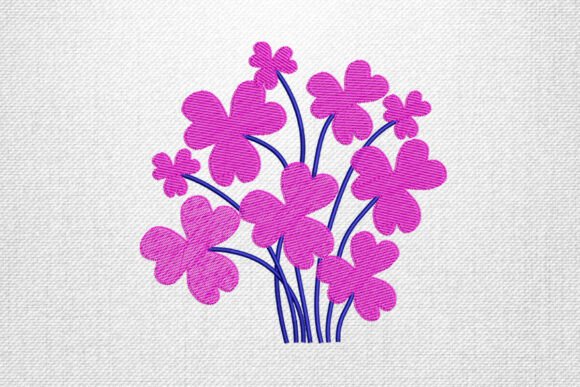
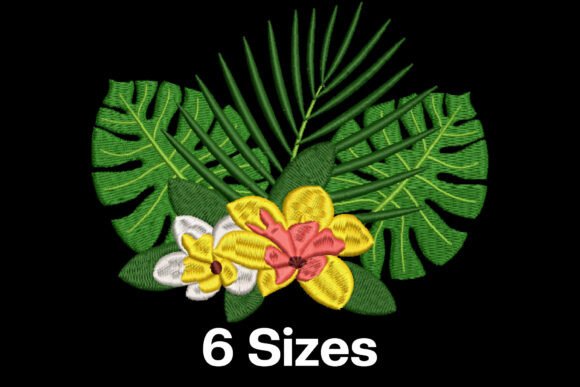
Upon loading the embroidery file into my software, the immediate impression of Hawaiian Flowers is one of cheerful elegance. It strikes a difficult balance between being playful enough for casual wear and detailed enough to feel like a premium handmade product. The mood is undeniably tropical yet soft, avoiding the harshness that some floral designs can have when scaled down. For a shop owner, this emotional appeal is crucial. Customers are not just buying thread on fabric; they are buying a feeling of warmth, relaxation, and personalization.
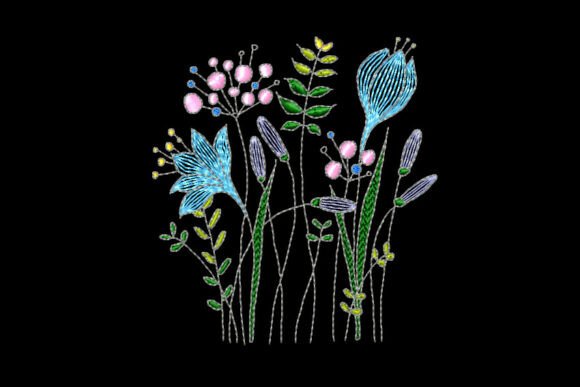
The design features a charming arrangement that suggests movement and life. Unlike rigid, geometric florals, this layout feels organic. This is a significant advantage for custom embroidery projects where the item needs to drape naturally. Whether intended for a summer wedding or a nursery update, the aesthetic versatility of Hawaiian Flowers makes it a strong candidate for multiple product lines. It avoids looking dated, which is essential for sellers who want their listings to remain relevant across seasons.
Real-World Applications for Personalized Gifts
In my test run, I focused on how this design performs across different categories of personalized gifts. The description mentions t-shirts, towels, and home decor, but as a professional, I needed to verify specific use cases.
Baby Embroidery and Nursery Decor
For baby embroidery, safety and comfort are paramount. I tested Hawaiian Flowers on a cotton muslin blanket. The design’s whimsical nature fits perfectly with nursery themes. However, because baby items require frequent washing, I paid close attention to the back of the embroidery. The design stitched out with a relatively smooth underside, which is vital for preventing skin irritation. As a blanket embroidery option, it offers a gender-neutral floral alternative that appeals to modern parents looking for something unique yet classic.
Kitchen Textiles and Towels
An embroidered towel is a staple for any gift shop. I hooped a flour sack towel to test the design’s density against absorbent fabric. Hawaiian Flowers holds up well here. The bouquet style allows for easy placement above the hemline without interfering with the towel's functionality. For kitchen linens, the design adds a touch of resort-style luxury that elevates a simple utility item into a thoughtful housewarming or hostess gift.
Wedding Keepsakes and Totes
While often associated with casual wear, this design has surprising potential as a wedding gift. When stitched in monochromatic or metallic thread colors, the tropical vibe shifts toward sophisticated botanical art. I envision this on canvas tote bags for bridesmaids or on linen pillow covers for a destination wedding. The ability to re-color the design means you can offer a single digital embroidery file that serves multiple distinct markets, maximizing your return on investment.
Critical Considerations: Where to Exercise Caution
No design is perfect for every substrate. During my review, I identified specific scenarios where Hawaiian Flowers requires extra planning or should be avoided entirely.
- Textured Fabrics: While great on smooth cottons, the finer details of the petals may get lost on thick terry cloth or nubby linen. If stitching on high-pile fabrics, consider using a water-soluble topping to prevent stitches from sinking.
- Stretchy Knits: For t-shirts and baby onesies, the design area must be stabilized correctly. Without proper cut-away stabilizer, the stitch density could cause puckering or distort the flower shapes after washing.
- Small Lettering Integration: If you plan to add personalized names beneath the bouquet, ensure the scale remains legible. Do not shrink the entire design just to fit text; instead, resize the hoop or adjust the layout to maintain the integrity of the floral details.
- Dark Fabrics: Tropical flowers often rely on bright colors. On black or navy backgrounds, you may need to add an underlay or choose lighter thread variations to ensure the design pops rather than disappearing into the fabric.
Enhancing Perceived Value and Customer Trust
For Etsy sellers and small business owners, perceived value drives pricing. Hawaiian Flowers contributes to this by offering a "boutique" look rather than a generic clip-art appearance. When photographing finished products for listings, the intricate layering of the stitches catches the light, signaling quality craftsmanship to buyers browsing thumbnails.
Furthermore, using a cohesive design like this helps build brand recognition. If customers associate your shop with high-quality, whimsical botanicals, they are more likely to return for future purchases. Creating a printable mockup or listing photos that show the texture of the stitches can significantly increase buyer engagement. Customers trust sellers who demonstrate that they understand how a design interacts with real fabric, not just digital previews.
Practical Notes for Production Success
Before adding Hawaiian Flowers to your permanent catalog, follow these professional best practices to ensure consistent results:
- Verify Specifications: Always check the included documentation for exact stitch count, recommended hoop size, and color charts. Never assume compatibility based solely on the visual preview.
- Test Stitch-Out: Always run a test on scrap fabric similar to your final product. Check for registration issues, thread breaks, or excessive jump stitches that might require trimming.
- Stabilizer Selection: Match your stabilizer to the fabric weight. Use tear-away for stable woven fabrics and cut-away for knits or stretchy materials to preserve the shape of the bouquet over time.
- Thread Contrast Check: View your thread choices in natural lighting. Digital screens often misrepresent saturation levels. Ensure the petal definition remains visible against your chosen background fabric.
- Licensing Compliance: Before selling finished goods, confirm the commercial licensing terms provided with the purchase. Respecting intellectual property protects your business reputation.
Final Thoughts for Makers and Sellers
Hawaiian Flowers proves to be a versatile and emotionally resonant addition to any embroidery library. Its strength lies in its adaptability; it is equally at home on a baby’s blanket as it is on a bride’s tote bag. By understanding its technical requirements and respecting the nuances of different fabrics, makers can transform this machine embroidery design into a profitable line of personalized gifts. Remember that successful commercial embroidery is about consistency and quality. Take the time to test, refine your stabilizer choices, and present your finished products with care. When executed correctly, this design does more than spruce up fabric; it creates lasting connections between the maker and the recipient.