Pink Flowers: An Embroidery Designer’s Review
As an embroidery designer who frequently sources assets for both custom client orders and my own Etsy shop, I approach every new machine embroidery design with a critical eye. It is not enough for a graphic to look beautiful on a screen; it must translate into clean, durable stitches on physical fabric. Recently, I evaluated the Pink Flowers design from Creative Fabrica to determine its viability for real-world commercial and personal projects. Categorized under Bouquets Bunches, this digital asset promises a whimsical touch for various items, but how does it actually perform when the needle hits the fabric?
First Impressions and Visual Mood
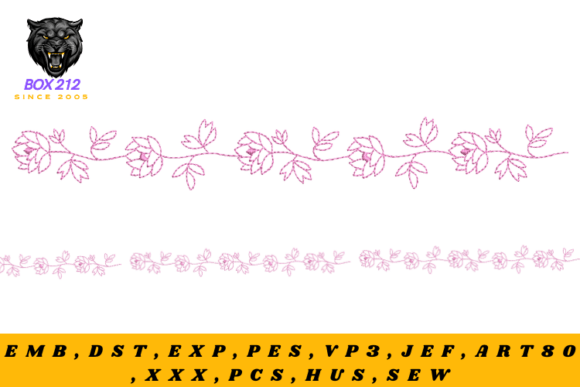
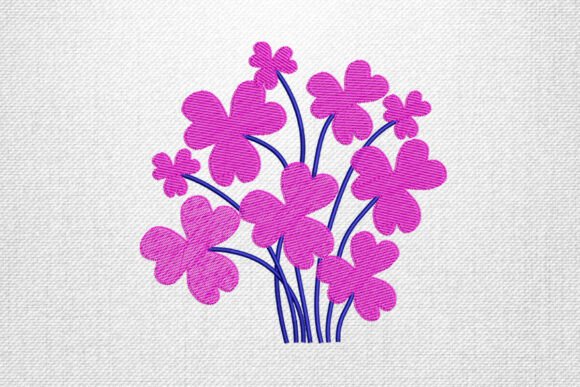
Upon downloading the embroidery file, my first assessment focused on the artistic integrity of the Pink Flowers motif. The design captures a charming, organic aesthetic that avoids looking overly digitized or stiff. For those of us in the handmade product space, this balance is crucial. Customers are drawn to embroidery that feels artisanal rather than mass-produced. The floral arrangement suggests movement and softness, making it an excellent candidate for projects requiring a feminine or nature-inspired vibe.
Visually, the design appears versatile. It does not lean too heavily into a specific season, which increases its utility for year-round inventory. Whether I am planning a spring collection or a timeless nursery line, the color palette and composition of Pink Flowers allow for easy adaptation. However, visual appeal is only the starting point. As professionals, we must consider how these aesthetics interact with stitch types and fabric limitations.
Evaluating Stitch Structure and Density
Before hooping any expensive material, I always analyze the technical construction of a Creative Fabrica embroidery download. With Pink Flowers, paying attention to stitch density is paramount. Floral designs often alternate between delicate petals and dense centers. If the center fill stitches are too tight, they can cause puckering on lighter fabrics like quilting cotton or baby knits. Conversely, if the satin stitch borders are too loose, the design may lack definition on textured surfaces like terry cloth towels.
I recommend inspecting the file in your editing software before stitching. Check for excessive jump stitches or trims that could slow down production time. For a tote bag design or sweatshirt embroidery, structural integrity matters. You want to ensure that the running stitch outlines align perfectly with the fill areas. Misregistration is the enemy of professional results. If you plan to use this as an applique design, verify that the tack-down stitches provide adequate coverage without creating bulky ridges that might irritate sensitive skin, especially for baby items.
Real-World Application Scenarios
The true test of Pink Flowers lies in its application across different substrates. Based on my experience with similar Bouquets Bunches assets, here is how this design translates to specific products:
- Custom Apparel: On t-shirts and sweatshirts, the whimsical nature of Pink Flowers adds personality without overwhelming the garment. Use a lightweight cut-away stabilizer to prevent distortion on stretchy knits.
- Kitchen Towels and Aprons: This is where the design shines. The floral theme naturally complements domestic textiles. Ensure you use a tear-away stabilizer with a water-soluble topping to keep the stitches crisp against the towel's pile.
- Nursery Decor: For baby blankets and pillow covers, softness is key. Test the design to ensure no sharp thread tails remain on the back. The gentle aesthetic makes it ideal for personalized gifts in this category.
- Tote Bags: Canvas provides a stable base for Pink Flowers. The design holds up well to the heavier weight of bag material, making it a strong contender for craft fair merchandise.
Considerations for Caps and Patches
If you intend to use Pink Flowers for embroidered patch creation or curved cap surfaces, proceed with caution. Floral designs with wide horizontal spans can be difficult to center on a curved brim. You may need to resize or rotate the design elements to fit the available sewing field. Always confirm the maximum hoop size required by the file matches your machine’s capabilities before purchasing. For patches, ensure the border stitch is dense enough to prevent fraying after cutting.
Commercial Viability and Brand Consistency
For Etsy sellers and small business owners, consistency builds buyer trust. Pink Flowers offers a cohesive look that can tie together a diverse product range. When listing items, high-quality product photography is essential. Because this design has distinct visual character, it photographs well, helping to stop the scroll in crowded marketplaces. Using a printable mockup can also help visualize placement before committing to production, saving time and materials.
However, value perception relies on execution. A poorly stabilized Pink Flowers design on a premium linen apron will devalue the item. Conversely, a perfectly executed stitch-out elevates the perceived worth of even basic blanks. Think about your brand identity. Does this whimsical floral align with your current aesthetic? If your shop focuses on minimalist geometric art, this might clash. But for boutiques specializing in cottagecore, vintage revival, or personalized gifts, it is a valuable addition to your design assets library.
Essential Pre-Stitch Checklist
To ensure success with Pink Flowers, treat every new project as a prototype. Never assume a digital file will work perfectly on every fabric type straight out of the box. Follow this practical workflow:
- Verify Licensing: Before selling any finished product featuring Pink Flowers, review the specific license terms on the Creative Fabrica product page. Confirm whether commercial use is included and if there are any restrictions on quantity or modification.
- Test on Scrap Fabric: Always stitch a sample on the exact fabric and stabilizer combination you plan to use for the final order. This reveals tension issues or density problems early.
- Check Thread Colors: Monitor contrast. Pink flowers can disappear on blush-toned fabrics or look harsh on bright white. Adjust thread colors in your machine to suit the specific background material.
- Inspect Small Details: After the test run, examine tiny elements like stamens or leaf veins. If they are lost in the fabric texture, consider increasing their size slightly or using a thinner thread weight.
- Confirm File Details: Double-check the format compatibility and dimensions. Do not rely solely on the thumbnail image for sizing decisions.
Making the Decision
Pink Flowers represents a solid option for embroiderers seeking a versatile, charming floral motif. Its strength lies in its adaptability across home decor, apparel, and gift items. For the experienced designer, it serves as a reliable foundation that can be customized through thread selection and stabilizer choices to meet professional standards. For the creative entrepreneur, it offers the potential to create engaging, sellable goods that resonate with customers looking for that special handmade touch.
Ultimately, the success of this digital embroidery file depends on your technical diligence. By respecting the interplay between the design’s digitization and your chosen substrate, Pink Flowers can become a staple in your commercial embroidery repertoire. Remember to utilize proper stabilization techniques, validate licensing for your business model, and always prioritize the quality of the finished product over speed. When executed with care, this design delivers the whimsy and personality promised, translating digital art into tangible, cherished creations.