Elegant Daisy Flowers: A Craft Fair Seller’s Review
As an experienced embroidery designer preparing for a weekend craft fair, my selection process is rigorous. I do not simply choose designs because they are pretty on a screen; I choose them because they translate into sales when displayed on a crowded table. When evaluating the Elegant Daisy Flowers design for my upcoming market booth, I am looking at more than just aesthetics. I am analyzing stitch integrity, production speed, and customer appeal. This review breaks down why this specific machine embroidery design has earned a spot in my commercial rotation and how fellow Etsy sellers and boutique makers can maximize its potential.
First Impressions: Balancing Whimsy with Sophistication
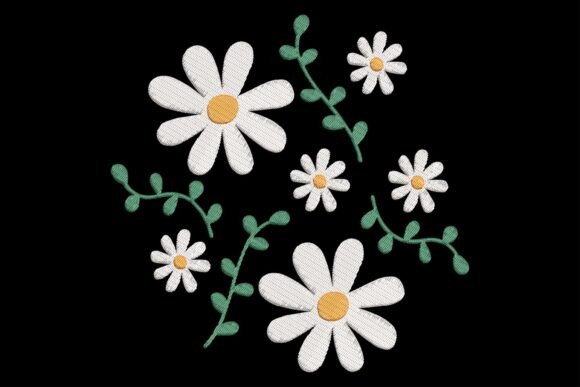
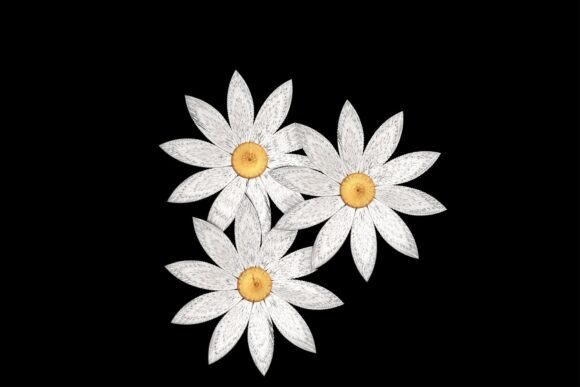
The title Elegant Daisy Flowers suggests a delicate balance that is crucial for handmade products. Daisies often skew towards juvenile or overly rustic farmhouse styles, but the modifier "elegant" implies refined digitizing. Upon reviewing the design assets, the first impression is one of versatile sophistication. It does not feel cartoonish, nor is it so stiff that it loses the organic charm of a bouquet. For a craft fair product, this visual middle ground is gold. It appeals to the younger demographic looking for cute tote bag designs while retaining enough maturity for premium home decor buyers.
In the Bouquets Bunches category, clarity is everything. A cluttered floral arrangement can look messy from five feet away at a market stall. Elegant Daisy Flowers succeeds because the negative space allows the fabric texture to breathe. This prevents the design from feeling like a heavy patch of armor on lightweight garments. The visual weight feels appropriate for both a focal point on an apron and a subtle accent on a linen napkin. This immediate readability is what stops customers walking past my booth.
Top Performing Products for Market Sales
Not every embroidery file performs equally across all substrates. Based on the lively and creative touch described in the product details, I have identified specific winners for my inventory. Here is where Elegant Daisy Flowers shines brightest in a retail environment:
- Tea Towel Embroidery: This is the primary revenue driver for this design. Flour sack towels provide a smooth canvas that showcases the stitch definition without distortion. The daisy motif aligns perfectly with kitchen aesthetics, making it an impulse buy for gift shoppers.
- Tote Bag Design: Canvas totes require bold visuals. Because this design brings personality without overwhelming density, it works beautifully on natural cotton canvas. It elevates a basic utility item into a fashionable accessory.
- Apron Embroidery: For my higher-priced items, placing this design on the chest pocket area of a denim or linen apron adds perceived value. It signals "handmade quality" rather than mass-produced uniformity.
- Embroidered Patches: Creating standalone patches allows for low-risk batch production. These serve as excellent add-on sales or basket stuffers at the checkout line.
While t-shirts are mentioned in the description, I approach knit fabrics with caution for craft fairs unless using high-quality stabilizer. However, for woven goods like pillow covers and market bags, this design is a reliable bestseller.
Production Practicality and Batch Efficiency
For small shop owners and creative entrepreneurs, time is money. A beautiful digital embroidery file is useless if it takes three hours to stitch out or requires constant thread changes. Elegant Daisy Flowers appears optimized for production efficiency. The color sequence seems logical, minimizing stops and trims. This is vital when running multiple hoops back-to-back before a show.
Photographing finished products for Etsy listings also favors this design. Floral motifs with distinct petal separation photograph better than solid fill flowers, which can look flat in camera lenses. The dimensional quality of the stitching catches light, creating shadows that highlight the handmade nature of the item. When creating printable mockups for pre-orders, ensure the digital representation matches the actual stitch texture. Customers appreciate accuracy, and this design’s clear lines make for honest marketing materials.
Critical Technical Considerations for Makers
Even the best embroidery requires technical diligence. Before listing any finished product derived from Elegant Daisy Flowers, you must address specific variables. As a professional, I never skip these verification steps:
- Stitch Density Verification: Always check the density settings relative to your chosen fabric. If stitching on textured towels, you may need to increase underlay stitches to prevent the design from sinking into the weave. Conversely, reduce density for lightweight summer tees to prevent puckering.
- Stabilizer Selection: Do not rely solely on tear-away backing for complex florals. Use a cut-away stabilizer for stretchy fabrics or knits to maintain registration over time. For tea towels, a medium-weight tear-away usually suffices, but test first.
- Hoop Size Confirmation: Verify the exact dimensions of the embroidery file against your hoop capabilities. Ensure there is adequate margin for hooping. Nothing wastes time like realizing a design is 0.5 inches too large for your standard frame after you have already prepped ten blanks.
- Thread Color Testing: Screen colors differ from rayon or polyester thread sheens. Create a physical color chart sample. What looks elegant on a monitor might look muddy in real life if the green tone is too olive or too neon. Match your thread colors to current seasonal trends for maximum relevance.
Enhancing Booth Display and Buyer Engagement
At a craft fair, Elegant Daisy Flowers serves as a visual anchor. I recommend grouping items by application rather than by product type. Display a tea towel draped next to a matching tote bag and a coordinating pouch. This cross-merchandising encourages bundled purchases. The cohesive branding achieved by using the same design across different mediums reinforces the professional identity of your handmade business.
Customer engagement increases when they can touch the embroidery. Have a dedicated sample swatch book showing the design on various fabrics. Let buyers feel the difference between the stitch on canvas versus linen. This tactile experience validates the price point and distinguishes your work from printed alternatives. Furthermore, clearly labeling items as "Machine Embroidery" educates consumers on the process, adding narrative value to the physical object.
Final Designer Notes for Commercial Success
Before committing to a full production run, always stitch a test sample on scrap fabric identical to your final product. Inspect the spacing between elements and confirm that no tiny details are lost. Small lettering or intricate stamen details within the daisy centers can disappear on coarse fabrics; if this occurs, simplify the design or change the substrate.
Finally, verify your commercial licensing. While the description highlights this as a machine embroidery design suitable for various projects, ensuring you have the right to sell finished goods is non-negotiable. Protect your business by confirming terms before listing on Etsy or setting up your booth.
Elegant Daisy Flowers represents a strong contender for any embroidery business focused on wearable art and home textiles. Its blend of liveliness and elegance makes it adaptable, while its likely clean digitizing supports efficient production. By applying these practical insights—from stabilizer choices to strategic merchandising—you transform a simple digital file into a profitable cornerstone of your handmade product line. Remember, success in this industry comes from marrying artistic vision with manufacturing discipline. Test thoroughly, display confidently, and let the quality of your craftsmanship drive your sales.