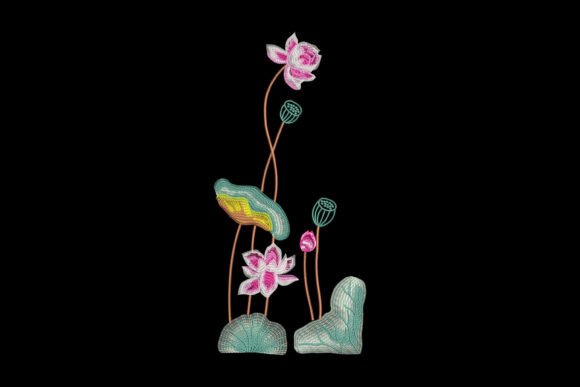
Lotus Pond: An Embroidery Design Review
As an Etsy seller and small business owner, I am constantly sifting through thousands of digital assets to find that perfect balance between artistic beauty and commercial viability. When browsing the Single Flowers Plants category on Creative Fabrica, the Lotus Pond design immediately caught my eye. Described as peaceful and poetic, this machine embroidery design promises to capture the serene beauty of lotus flowers gently blooming above still waters. For those of us running a craft business or managing a boutique shop, evaluating a new embroidery file goes far beyond just liking the picture. We have to consider stitch density, marketability, fabric compatibility, and licensing. Here is my honest evaluation of Lotus Pond from the perspective of a seller planning their next product collection.
Evaluating the Aesthetic for Commercial Products
The first thing I look for in any commercial embroidery design is its emotional resonance with buyers. Based on the description of graceful petals, flowing leaves, and tranquil tones, Lotus Pond leans heavily into an elegant, feminine, and mindful aesthetic. This is not a bold, cartoonish graphic; it is a sophisticated piece of art. In the current handmade product market, there is a significant demand for items that evoke calmness and wellness. This design feels premium rather than rustic, making it ideal for customers who value mindfulness, yoga culture, or nature-inspired home decor.
Unlike generic floral patterns, the specific imagery of a lotus pond suggests depth and intention. For an Etsy seller, this visual personality is gold. It allows you to position your products as thoughtful, high-end gifts rather than mass-produced commodities. The "poetic" nature mentioned in the product details suggests that the digitizing likely uses varied stitch types to create texture and movement, which photographs beautifully for listing thumbnails. However, because the design relies on tranquility and flow, I would advise testing the thread colors carefully. Subtle variegated threads might enhance the water effect, while solid, high-contrast colors could make the design feel too harsh. Always confirm the recommended thread palette on the Creative Fabrica product page before committing to a production run.
Best Product Applications for Lotus Pond
When integrating a new digital embroidery file into my workflow, I map out specific SKUs where the design will shine. Lotus Pond is versatile, but it excels in specific categories due to its serene theme.
- Tote Bag Design: Canvas tote bags are a staple for creative entrepreneurs. The organic flow of the lotus and water elements would look stunning on natural linen or unbleached cotton. This application targets eco-conscious shoppers looking for reusable bags that double as fashion accessories.
- Baby Embroidery: The gentle, non-aggressive nature of this design makes it perfect for nursery decor or baby blankets. Parents often seek gender-neutral, nature-themed motifs for modern nurseries. Just ensure you verify the stitch count and stabilizer requirements for delicate baby fabrics before stitching.
- Kitchen Towel Embroidery: While many kitchen designs are funny or fruit-based, there is a niche for "calm kitchen" aesthetics. Lotus Pond could anchor a line of premium tea towels aimed at hosts who want their kitchen to feel like a spa-like retreat.
- Sweatshirt Embroidery: Placed on the left chest or centered on the back of a heavyweight sweatshirt, this design supports the popular "cottagecore" and slow-living apparel trends. The key here is scale; ensure the hoop size accommodates a version of the design that remains readable on thicker fleece materials.
- Personalized Gift Items: Because the design is so evocative, it pairs beautifully with custom text. Adding a name or a meaningful date below the lotus can transform a standard embroidered patch or pillow cover into a deeply personalized gift for weddings, anniversaries, or sympathy gestures.
Technical Considerations for Small Batch Production
A beautiful design is useless if it ruins fabric or takes three hours to stitch. As experienced sellers know, technical validation is non-negotiable. Before listing any finished product featuring Lotus Pond, you must perform a physical test stitch-out. Digital previews on Creative Fabrica are helpful, but they cannot tell you how the design behaves on your specific machine and fabric combination.
I recommend checking the stitch density specifically for the "flowing leaves" and water elements described. If these areas are too dense, they may cause puckering on lighter fabrics like quilting cotton or rayon. Conversely, if they are too sparse, the design may lack the professional coverage required for boutique merchandise. You should also confirm the exact hoop size requirements listed by the designer. Trying to resize a complex floral design significantly can distort the stitch angles and ruin the "graceful" quality that makes Lotus Pond special.
Furthermore, always review the licensing terms directly on the Creative Fabrica product page. While many designers allow for the sale of finished physical products, restrictions vary regarding digital redistribution or print-on-demand integration. Ensuring you are compliant protects your shop and respects the digitizer’s work. For those creating printable mockups to test market interest before stitching, verify if the license permits using the digital image for promotional purposes.
Marketing and Merchandising Strategy
Once you have validated the technical aspects of the embroidery file, the next step is merchandising. Lotus Pond offers unique marketing angles that can differentiate your shop from competitors using generic stock art. The "peaceful and poetic" descriptor should be woven into your product titles and tags. Instead of just "Flower Embroidery," consider long-tail keywords like "Zen Garden Decor," "Mindfulness Gift," or "Botanical Water Art."
Photography is equally critical. Because this design evokes still waters and serenity, your product photography should reflect that mood. Avoid cluttered backgrounds. Use natural lighting and soft props like driftwood, smooth stones, or dried pampas grass to reinforce the lotus theme. When photographing for Etsy listings, ensure the design is crisp and readable at thumbnail size. The intricate details of the petals need to be visible even on a mobile screen. If the design loses impact when shrunk down, consider offering it only on larger items or adjusting your crop to focus solely on the embroidered area.
Social media content creation is another avenue where this design adds value. The process of stitching such a detailed, nature-inspired motif makes for engaging video content. Time-lapses showing the lotus emerging from the fabric can highlight the craftsmanship involved in your custom apparel or home decor. This transparency builds trust with buyers and justifies premium pricing for handmade goods.
Final Thoughts for the Creative Entrepreneur
Lotus Pond represents more than just another addition to the Single Flowers Plants category; it is a potential cornerstone for a cohesive, wellness-focused product line. Its strength lies in its ability to convey emotion through needle and thread, transforming simple textiles into meaningful objects. For the Etsy seller or small shop owner, success with this design depends on respecting its delicate nature during production and leveraging its poetic qualities during marketing.
Remember to treat this evaluation as a starting point. Your specific equipment, target audience, and brand voice will ultimately determine how well Lotus Pond performs in your shop. By combining careful technical testing with strategic product placement, you can turn this serene digital asset into a profitable and beloved part of your handmade business. Always refer back to the original Creative Fabrica listing for the most accurate specifications regarding file formats, dimensions, and commercial usage rights to ensure your business remains both creative and compliant.