Ocean Life Floral Whale Tail: A Designer’s Review
As an embroidery professional who constantly evaluates digital assets for both personal studio work and client commissions, I approach every new machine embroidery design with a critical eye. It is not enough for a graphic to look beautiful on a screen; it must translate into thread, tension, and texture without frustrating the maker or disappointing the end user. When I first examined the Ocean Life Floral Whale Tail, my immediate reaction was one of appreciation for its balanced composition. This is not merely a novelty graphic; it is a sophisticated blend of marine biology and botanical art that bridges the gap between whimsical nursery decor and trendy adult apparel.
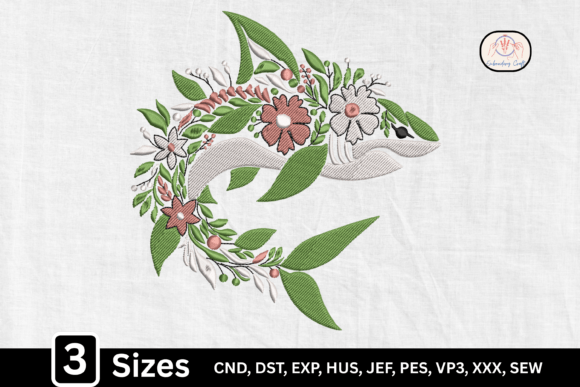
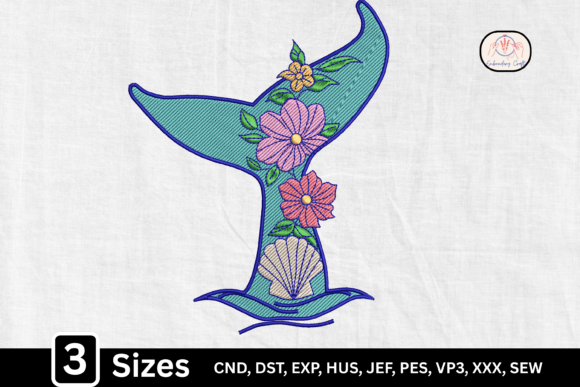
The design features a graceful whale tail integrated with blooming flowers and leafy accents. From a digitizing perspective, this fusion is significant. Purely realistic animal designs can sometimes feel stiff or overly dense, while purely floral designs can lack a focal point. By merging these elements, the Ocean Life Floral Whale Tail creates a natural flow that guides the needle path logically. The curves of the tail provide a structural backbone for the botanical elements, which suggests that the stitch density has likely been managed to prevent bulkiness in the center where the organic shapes converge. For those of us in the Marine Mammals niche, this offers a fresh alternative to standard silhouette outlines, providing a handmade product aesthetic that feels curated rather than generic.
Real-World Application: Stitching a Custom Tote Bag
To truly evaluate the viability of this embroidery file, I mentally placed it into a current project scenario: creating a premium canvas tote bag for a coastal boutique client. Tote bags are a staple for any Etsy seller or small shop product line, but they present specific challenges due to the coarse weave of canvas and the need for durability.
In this context, the Ocean Life Floral Whale Tail performs exceptionally well because of its organic lines. Unlike rigid geometric patterns that can distort on textured fabrics, the flowing nature of the whale tail and florals allows for slight variances in registration without looking like errors. When stitching this on canvas, I would anticipate using a medium-weight cutaway stabilizer to support the detail of the petals and leaves. The design’s layout suggests it would serve as a perfect centerpiece for a tote bag design, sitting comfortably above the bottom seam without requiring excessive hooping adjustments.
Furthermore, this design translates beautifully to sweatshirt embroidery. The current market trend favors nature-inspired motifs on neutral-toned fleece. Because the tail incorporates floral elements, it softens the nautical theme, making it appropriate for year-round wear rather than just summer merchandise. For a craft business owner, this versatility is crucial. You are not limited to selling beach gear; this digital embroidery file can anchor a collection of autumn garden apparel or spring baby items equally well.
Fabric Considerations and Technical Limitations
While the aesthetic appeal is high, practical application requires caution regarding substrate selection. As with any intricate Embroidery piece featuring botanical details, fabric choice dictates success. I would advise against using this design on high-pile terry cloth or extremely plush minky without significant modification or testing. The fine details of the leafy accents and flower centers could get lost in the nap of the fabric, resulting in a muddy appearance after washing.
Similarly, stretchy performance fabrics require careful handling. If you plan to use this for activewear or lightweight knits, the combination of satin stitches for the floral edges and fill stitches for the tail body could cause puckering if the hoop size and stabilization are not perfectly matched. Always test on a scrap of the exact garment material first. For dark fabrics, consider how the thread colors will pop. The design relies on contrast to define the separation between the whale tail and the flowers. On black or navy fabric, you may need to add a white underlay or adjust your color palette to ensure the botanical details remain distinct and do not blend into the background.
For makers interested in creating an embroidered patch, this design is a strong candidate due to its defined outer shape. However, verify that the border elements are digitized with sufficient width to accommodate a merrow edge or satin border if you intend to cut it out. Tiny details at the periphery might be too fragile for standalone patches and are better suited for direct-to-garment application.
Commercial Value and Product Presentation
For creative entrepreneurs and digital product sellers, the visual personality of this design supports higher perceived value. Customers associate detailed, harmonious artwork with quality craftsmanship. When listing a finished item, such as a personalized gift or nursery pillow, the Ocean Life Floral Whale Tail serves as an excellent hook for buyer engagement. It avoids the "clip-art" look that often devalues handmade goods.
If you are selling the design assets themselves or using them for commercial embroidery services, presentation matters. I recommend creating printable mockups that show the design on varied backgrounds. Test it in black and white to ensure the grayscale values hold up; this confirms that the depth and dimension are achieved through stitch structure, not just color variation. This step is vital for Etsy seller listings where customers need to visualize the outcome before purchasing.
Additionally, consider the licensing. Before incorporating this into a small shop product line or selling finished custom apparel, always confirm the commercial usage rights associated with the instant download. Protecting your business means ensuring you have the legal right to profit from the finished product.
Essential Pre-Stitch Checklist for Makers
Before loading this embroidery project into your machine, run through this practical checklist to ensure professional results:
- Verify Specifications: Since specific stitch counts and formats were not detailed in the product description, open the file in your software or machine to confirm it fits your intended hoop size and format compatibility.
- Stabilizer Match: Select stabilizer based on fabric weight, not design size. Lightweight knits need cutaway; woven cottons may suffice with tear-away.
- Thread Contrast Test: Stitch out the floral elements on your actual project fabric scrap to ensure visibility against the base material.
- Detail Inspection: Zoom in on the digital file to check for jump stitches or overlapping areas that might need trimming or optimization.
- Wash Testing: If producing baby embroidery or kitchen linens, wash and dry your test swatch to ensure the satin stitch borders and fill stitch areas maintain integrity.
- Mockup Validation: Create digital previews in multiple colorways to maximize listing appeal for holiday embroidery or seasonal collections.
The Ocean Life Floral Whale Tail represents a thoughtful intersection of thematic relevance and technical feasibility. It respects the intelligence of the maker by offering a design that requires skillful execution while rewarding that effort with a stunning, marketable result. Whether you are embellishing a holiday gift, expanding your boutique inventory, or simply exploring new artistic territory in your hoop, this design provides a reliable foundation for beautiful, lasting embroidery.