Valentine Teddy Bear: A Merchandise Design Review
As an experienced embroidery designer focused on commercial applications, I approach every machine embroidery design with a critical eye toward production viability and brand longevity. When evaluating the Valentine Teddy Bear for small business merchandise, my primary concern is not just its aesthetic charm, but how it translates from a digital screen to a tangible asset that drives sales and reinforces brand identity. This review dissects the technical and commercial potential of this specific artwork for shops, boutiques, and makers preparing for seasonal inventory.
First Impressions and Visual Personality
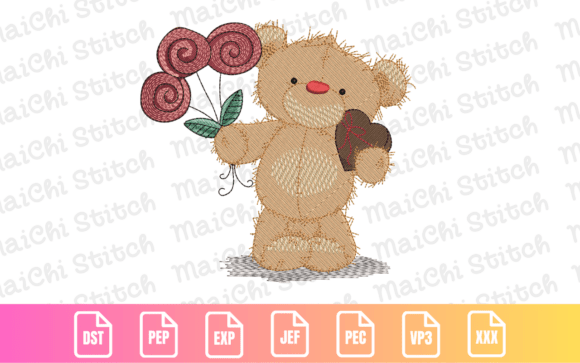
The Valentine Teddy Bear immediately presents as a high-value, emotive graphic suitable for businesses relying on warmth and customer connection. The description highlights a plush-style bear holding swirl flowers and a chocolate treat, which suggests a design rich in texture and layered elements. From a professional standpoint, this "plush-style" indication is crucial. It implies the use of specialized fill stitches or perhaps a chenille-like effect to mimic fur, rather than flat satin columns. For a bakery, florist, or handmade gift shop, this visual softness communicates approachability and premium care.
However, the inclusion of detailed props like swirl flowers and chocolate treats introduces complexity. In a commercial setting, intricate details are a double-edged sword. They add perceived value to a finished product, but they also increase stitch count and production time. Visually, the design strikes a balance between playful and polished, avoiding the amateurish look that can sometimes plague seasonal Embroidery assets. It feels intentional, making it a strong candidate for businesses that want to celebrate Valentine S Day without sacrificing their professional aesthetic.
Commercial Applications for Small Business Merch
For small business owners and Etsy sellers, versatility is key. The Valentine Teddy Bear has distinct potential across various small business merch categories, provided the application matches the design's density.
- Embroidered Patches: This is arguably the strongest use case. The contained shape of a teddy bear lends itself perfectly to merrowed edges. As a patch, the design becomes a collectible add-on for jackets, backpacks, or denim. The swirl flowers and chocolate elements will pop against a twill background, creating a high-contrast accessory that customers can purchase separately or receive as a loyalty gift.
- Apron Embroidery: For cafes and bakeries, placing this design on the chest or pocket area of an apron adds seasonal flair to staff uniforms. It humanizes the brand and serves as a conversation starter with customers. The "sweetness" mentioned in the product description aligns perfectly with food service environments.
- Tote Bag Design: Canvas totes are a staple for boutiques. The Valentine Teddy Bear works well here because canvas provides a stable base for the likely high stitch count of the plush texture. It transforms a generic bag into a seasonal keepsake.
- Custom Apparel and Caps: While possible, cap embroidery requires careful consideration. If the design is too tall or dense, it may distort on the curved surface. However, if resized appropriately for the front panel, it offers a unique alternative to standard text-based Valentine's logos.
Technical Considerations and Production Risks
A beautiful digital embroidery file can still fail in production if technical limitations are ignored. Based on the description of swirl flowers and plush textures, there are specific areas where caution is required.
Stitch Density and Fabric Texture
The "plush-style" descriptor suggests significant stitch density. High-density designs require robust stabilization. If you attempt to run this on a lightweight t-shirt or sheer fabric without adequate backing, you risk puckering, needle breaks, or a stiff, bulletproof feel. For custom apparel, always test on a scrap of the exact garment weight. You may need to use a cutaway stabilizer or even a water-soluble topping to prevent the textured stitches from sinking into the fabric grain.
Sizing and Detail Retention
Swirl flowers and chocolate treats often contain fine lines. When scaling down for sleeve cuffs, hat fronts, or small patches, these details can become muddy or cause excessive thread trims. Before committing to bulk production, verify the minimum size recommended by the digitizer. If the embroidery file does not specify a safe reduction limit, perform a sew-out at your smallest intended size. If the swirls lose definition, the design should be reserved for larger formats like tote bags or jacket backs rather than tiny accents.
Thread Colors and Contrast
Seasonal designs often rely on specific pinks, reds, and browns. Ensure your thread colors match the intended mood. A dull brown for the chocolate or a neon pink for the flowers could cheapen the look. Furthermore, consider the substrate color. Dark uniforms may require a white underlay or outline to make the bear visible, which adds stitch count. Always review color contrast against your actual merchandise inventory, not just the digital preview.
Impact on Brand Identity and Customer Trust
Incorporating the Valentine Teddy Bear into your product line is more than a seasonal tactic; it is a signal of brand attention. Customers associate high-quality embroidery with established, trustworthy businesses. A poorly executed design with gaps, misaligned outlines, or excessive jump stitches damages credibility. Conversely, a crisp, well-digitized rendition of this bear enhances the perceived value of your entire shop.
For handmade brands and Etsy sellers, consistency is vital. This design should complement your existing design assets. If your usual branding is minimalist and modern, ensure the ornate nature of the swirl flowers doesn't clash. Used correctly, it adds emotional resonance that encourages buyer engagement. A customer might buy a coffee or a candle simply because the seasonal packaging or tag features this adorable, professionally stitched mascot. It turns a transaction into an experience.
Designer Notes for Successful Implementation
To maximize ROI and minimize waste when using the Valentine Teddy Bear for commercial projects, follow this pre-production checklist:
- Verify Licensing: Before selling any item featuring this design, confirm the commercial licensing terms. Ensure you have the right to sell finished products and understand any limitations on mass production.
- Check Hoop Size Compatibility: Confirm the physical dimensions of the design fit within your machine’s maximum sewing field. Do not assume resizing is safe without testing.
- Create a Printable Mockup: Before stitching, place a digital mockup of the bear on photos of your actual merchandise. Share this with clients or team members for approval to ensure placement and scale look correct in context.
- Test in Black and White: Run a grayscale test sew-out first. This reveals structural issues, density problems, or registration errors that colored threads might hide.
- Evaluate Washability: If the item will be laundered frequently (like aprons or shirts), wash the test sample three times. Plush textures can degrade or unravel if not properly secured. Adjust top stitch parameters if necessary.
- Compare Beside Other Assets: Print or stitch the bear alongside your logo and other seasonal graphics. Ensure visual hierarchy and style cohesion across your commercial embroidery lineup.
The Valentine Teddy Bear offers a delightful opportunity to enhance seasonal merchandise, but success lies in technical diligence. By respecting the design's density, choosing appropriate substrates, and validating production parameters, small businesses can transform this charming graphic into a profitable, professional asset that resonates with customers long after the holiday ends.