Mini Roses: A Designer’s Review for Boutique Sweatshirts
As an embroidery designer preparing for a seasonal drop, selecting the right artwork is about more than just aesthetics; it is about technical viability and brand alignment. When evaluating the Mini Roses design for a premium sweatshirt collection, my primary focus is how this digital asset translates from screen to fabric. For small clothing brands and Etsy sellers, the difference between a hobbyist project and a commercial product often lies in the intentionality of the design choice. This review breaks down why this specific machine embroidery design works for boutique apparel and what you need to consider before hooping your first garment.
First Impressions: Whimsy Meets Commercial Viability
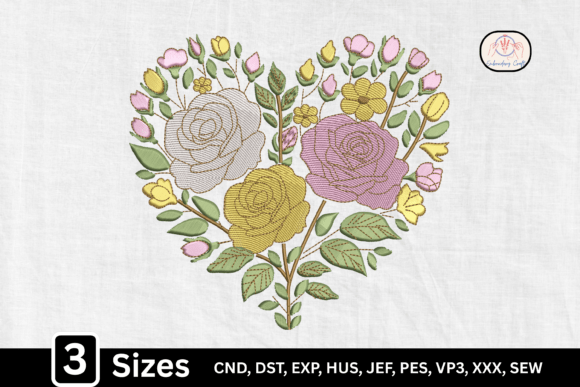
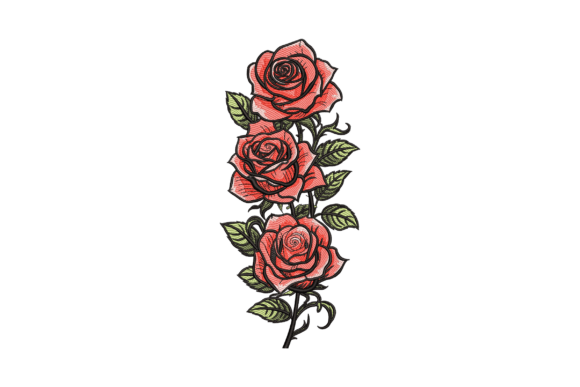
The initial appeal of Mini Roses lies in its balance of charm and structure. In the Bouquets Bunches category, designs can sometimes lean too heavily into dense, traditional florals that feel dated or overly formal for modern streetwear. However, this design captures a whimsical touch without sacrificing clarity. The layout suggests a playful yet refined aesthetic that aligns perfectly with current trends in cozy seasonal apparel. For a boutique brand, this versatility is crucial. It does not scream "craft fair" but rather whispers "curated handmade product."
When visualizing this as a finished product on neutral sweatshirts, the design acts as a focal point without overwhelming the garment's silhouette. On cream, oatmeal, or sage green fleece, the stitching personality shines through texture rather than high-contrast color blocking. Conversely, on dark fabrics like charcoal or navy, the Mini Roses motif provides necessary brightness. The detail level appears optimized for visibility at a distance, which is essential for lifestyle product photography where customers are scrolling quickly through Etsy listings or Instagram feeds.
Strategic Placement for Custom Apparel
For apparel decorators and creative entrepreneurs, placement dictates perceived value. This embroidery file offers excellent flexibility for various garment types. While the description notes its suitability for t-shirts and towels, its true potential unlocks when applied to heavyweight fleece.
- Left Chest Placement: This is the industry standard for boutique merchandise. Mini Roses scales beautifully here, offering a subtle branding moment that feels feminine and rustic without being juvenile.
- Sleeve Accents: Oversized hoodies benefit from secondary design elements. Placing a smaller iteration of this bouquet near the wrist cuff adds a premium detail that justifies a higher price point.
- Back Designs: For a bold statement, centering this design on the back yoke creates a balanced look. Because the composition is likely compact, it avoids the "heavy armor" feeling that large, dense bouquets can create on soft fabrics.
When creating printable mockups for your shop, ensure the digital representation matches the stitch reality. Customers trust brands that show accurate textures. Using this design assets effectively means showcasing how the thread interacts with the fabric texture, not just a flat vector overlay.
Technical Evaluation: Stitch Density and Fabric Interaction
A pretty image does not always equal a functional embroidery file. As a professional, I must assess the technical constraints of sweatshirt embroidery. Fleece and French terry are unstable, textured surfaces that can distort delicate floral details. Before running production, you must verify the stitch density. If the Mini Roses design is too dense, it will cause puckering or create a stiff patch that ruins the drape of a cozy hoodie. If it is too sparse, the stitches may sink into the pile and disappear.
Stabilizer choice is non-negotiable here. For commercial embroidery on knit fabrics, a cut-away stabilizer is mandatory to prevent distortion during washing. Hoop size selection also matters; using the smallest possible hoop reduces fabric pull and maintains registration. Furthermore, thread colors should be tested against your specific blank inventory. A rose shade that looks vibrant on screen might appear muddy against a heather grey sweatshirt. Always run a sew-out test to evaluate contrast and coverage.
Durability is another concern for custom apparel. Boutique customers expect their garments to withstand laundering. Check if the design includes adequate underlay stitching. Proper underlay anchors the design to the stabilizer and lifts the top stitches above the fabric nap, ensuring the Mini Roses remain legible and beautiful after dozens of wash cycles. Without this structural foundation, even the most charming design will fail in a retail environment.
Elevating Brand Identity and Buyer Trust
In the saturated market of digital sellers and handmade businesses, your embroidery choices define your brand identity. Mini Roses contributes to a cohesive visual language that signals quality. When a customer sees consistent, well-executed floral motifs across your collection, it builds recognition. This specific design bridges the gap between vintage nostalgia and modern minimalism, appealing to a broad demographic seeking unique, personalized items.
Moreover, the "fun and whimsical" nature described in the product details adds emotional resonance to your shop. People do not just buy sweatshirts; they buy feelings of comfort and self-expression. By integrating this design into your lineup, you are offering a tangible piece of joy. However, this only works if the execution is flawless. A skipped stitch or misaligned petal undermines buyer trust instantly. Treating this digital embroidery file with professional respect—from digitizing verification to final pressing—is what separates a successful small shop product from an amateur attempt.
Production Checklist for Small Business Owners
Before adding this item to your store, complete this practical evaluation to ensure commercial readiness:
- Verify Specifications: Confirm the exact stitch count, hoop size requirements, and format compatibility with your machine. Never assume a file fits your production setup without checking.
- Test on Target Fabric: Do not rely on tests done on cotton quilting fabric. Sew out Mini Roses on the exact sweatshirt blank you intend to sell to gauge penetration and texture.
- Assess Scale: Print the design at actual size on paper and pin it to a garment. Does it look proportional? Is it too small to be seen in photos or too large for the chest area?
- Review Licensing: Ensure your purchase includes rights for commercial use on physical products, especially if you plan to scale beyond personal crafting.
- Photograph the Texture: When listing, capture close-ups that show the stitch direction and sheen. This validates the "premium" claim to potential buyers.
Final Thoughts for the Apparel Decorator
Mini Roses represents a strong contender for any boutique brand looking to expand their embroidered offerings. Its strength lies in its adaptability and its ability to evoke warmth and personality. Whether used as a standalone hoodie design or part of a larger capsule collection, it carries the potential to become a bestseller. Success, however, depends entirely on your technical diligence. By respecting the interplay between thread, stabilizer, and fabric texture, you transform a simple digital file into a cherished wardrobe staple. For Etsy sellers and shop owners, this design is not just a decoration; it is a business asset that, when managed correctly, enhances both product value and customer satisfaction.